
Personal Injury - Ezequiel Reyna Law Office

100% FREE CONSULTATION 1-800-935-3739

What Should You Do If You’re Injured in a Fourth of July Car Accident in Texas?

The Fourth of July should be about making memories with family and friends, not spending the holiday in an emergency room or worrying about how you’re going to pay your medical bills. Unfortunately, every year we see serious crashes caused by speeding, distracted driving, and impaired drivers during one of the busiest travel weekends in Texas.

For more than 45 years, the Ezequiel Reyna Law Office has stood beside families whose lives changed in a matter of seconds because of another driver’s careless decision. During busy holiday weekends like the Fourth of July, we often see an increase in serious car accidents caused by distracted driving, speeding, and impaired drivers. If you have been injured in a Texas car accident, call us and we will help you.

What Should I Do Immediately After a Car Accident?

The moments following a crash can be overwhelming. Taking the right steps can make a significant difference in your recovery and any future insurance or legal claim.

If possible, you should:

  • Check yourself and your passengers for injuries.
  • Call 911 if anyone is injured or if there is significant property damage.
  • Request that law enforcement respond and complete an official accident report.
  • Move your vehicle to a safe location if it can be done safely.
  • Exchange contact and insurance information with the other driver.
  • Take photographs of the vehicles, roadway, skid marks, traffic signals, weather conditions, and any visible injuries.
  • Collect contact information from witnesses.
  • Avoid discussing fault or apologizing at the scene.

Over the years, we have seen small details make a big difference in a case. Taking photographs, getting witness information, and making sure a police report is completed can help protect your rights later. 

What If the Other Driver Was Drunk?

Unfortunately, holiday weekends often bring a spike in drunk driving crashes. Fourth of July celebrations frequently involve alcohol, making impaired driving one of the leading causes of serious holiday accidents.

If you believe the other driver is intoxicated:

  • Tell the responding police officer about your observations.
  • Do not argue with or confront the driver.
  • Allow law enforcement to conduct its investigation.

A driver arrested for Driving While Intoxicated, or DWI, may face criminal penalties, but that is separate from your right to pursue compensation through a personal injury claim.

Depending on the circumstances, you may be able to recover compensation for:

  • Medical expenses
  • Lost wages
  • Future medical treatment
  • Pain and suffering
  • Property damage
  • Physical impairment
  • Mental anguish

Police reports, witness statements, body camera footage, field sobriety tests, and blood alcohol evidence can all become important pieces of evidence in your case.

What If I Don’t Feel Injured Until Later?

This is one of the most common questions we hear.

After a traumatic collision, your body’s adrenaline can temporarily mask pain. It is not unusual for symptoms to appear several hours or even days after the accident.

Some injuries commonly associated with delayed symptoms include:

  • Whiplash
  • Concussions
  • Soft tissue injuries
  • Neck and back injuries
  • Internal injuries

If you begin experiencing headaches, dizziness, numbness, stiffness, pain, or any new symptoms after leaving the accident scene, seek medical attention as soon as possible.

Prompt medical treatment not only protects your health but also creates documentation linking your injuries to the accident. Waiting too long to seek treatment may allow an insurance company to argue that your injuries were caused by something else.

Should I See a Doctor Even If I Feel Fine?

Yes.

Even if you believe your injuries are minor, it is wise to be evaluated by a medical professional after any significant collision.

Many serious injuries, including concussions, internal bleeding, and soft tissue injuries, may not produce immediate symptoms. Early diagnosis can prevent complications and create important medical records documenting your condition from the beginning.

Your health should always come first.

Should I Talk to the Insurance Company?

You should report the accident to your own insurance company promptly. However, you should be cautious when speaking with the other driver’s insurance company.

Insurance adjusters often begin investigating claims immediately and may request:

  • A recorded statement
  • Medical authorizations
  • Quick settlement agreements

One of the biggest mistakes we see people make is assuming the insurance company is looking out for them. Their job is to protect their company. Our job is to protect you and your family’s future. 

Before accepting any settlement or signing documents, make sure you understand the full extent of your injuries and damages. Once you settle your claim, you may lose the right to seek additional compensation later.

What Compensation Can I Recover After a Texas Car Accident?

Every case is unique, but depending on the circumstances, injured victims may be entitled to compensation for:

  • Current and future medical expenses
  • Lost income
  • Reduced earning capacity
  • Property damage
  • Pain and suffering
  • Physical impairment
  • Mental anguish

The value of a claim depends on several factors, including the severity of your injuries, available insurance coverage, and the evidence supporting your case.

How Long Do I Have to File a Car Accident Claim in Texas?

Texas law generally limits the amount of time you have to file a personal injury lawsuit after a motor vehicle accident.

Because every case is different, and certain exceptions may apply, it is important to speak with an experienced Texas car accident attorney as soon as possible. Acting early also helps preserve valuable evidence before it is lost or destroyed.

Final Thoughts

The Fourth of July should be remembered for celebrating with the people you love, not for a preventable tragedy.

If you’ve been injured in a Texas car accident during the holiday weekend, your priorities should be protecting your health, documenting the accident, and understanding your legal rights as soon as possible.

Whether the crash was caused by distracted driving, speeding, or an impaired driver, calling our office immediately is the right step to make a meaningful difference in both your recovery and your ability to pursue the compensation you deserve.

Standing With You When It Matters Most

For more than 45 years, the Law Offices of Ezequiel Reyna Jr. has stood beside individuals and families whose lives were turned upside down by serious accidents. We understand how overwhelming the days following a crash can be. Our team is here to answer your questions, handle the insurance companies, and fight for the compensation you deserve while you focus on your recovery.

If you or a loved one has been injured in a Fourth of July car accident, do not wait to learn about your legal options. Contact the Law Offices of Ezequiel Reyna Jr. Personal Injury Law today for a free consultation. From our offices in Weslaco and McAllen, we proudly represent accident victims throughout the Rio Grande Valley, South Texas, and the Midland Odessa area.

Call (956) 968-9556 today to speak with an experienced Texas car accident attorney. We are available 24 hours a day, 7 days a week, including nights, weekends, and holidays, because accidents do not wait, and neither should you.


Who Is Liable for Swimming Pool Accidents? A Premises Liability Guide for Summer

South Texas enjoys its summers with backyard parties, neighbourhood gatherings, and long afternoons spent at the pool. Families enjoy pool time during peak summers, but they are unaware that it can also be one of the most dangerous places on any of the properties. Accidents are quite common, and the legal proceedings after that are complicated and difficult. 

Who is liable for swimming pool accidents? Is it the homeowner? The property manager? A contractor? The answer depends on where the accident occurred, who controlled the property, and whether negligence played a role. This guide breaks down the key legal concepts every person in Texas should understand before this summer gets into full swing.

What Makes Swimming Pools a Legal Liability?

Under Texas premises liability law, property owners have a legal duty to maintain a reasonably safe environment for people who visit their property. When a swimming pool is involved, that duty becomes even more significant. Pools are legally classified as “attractive nuisances,” a legal doctrine recognizing that certain property features naturally draw people in, especially children, even when access is not intended or permitted.

Because of this doctrine, swimming pool accident liability extends further than many property owners realize. Even if a child trespassed onto the property and was not invited, the pool owner may still be held liable for the resulting injury if the pool was inadequately fenced, the gate was broken, or the area was otherwise not properly secured.

Who Can Be Held Liable After a Swimming Pool Accident?

Swimming pool negligence cases involve several potential parties, depending on the circumstances of the accident and who had responsibility for maintaining the pool and its surrounding area.

Residential Pool Owners

If you or your child are injured at someone else’s home in or around their swimming pool, the homeowner may be liable under premises liability law. Common grounds for residential pool accident claims include failure to install proper fencing, absence of self-latching gates, broken or missing pool equipment such as ladders or drain covers, inadequate warning signs for shallow water or no-diving zones, and failure to supervise guests, particularly children.

Homeowner’s insurance typically covers swimming pool injury claims, but insurance carriers routinely attempt to minimize what they pay out. Speaking with a premises liability attorney before accepting any settlement offer is an essential step in protecting your rights.

Public Pool and Hotel Liability

When a swimming pool accident occurs at a hotel, apartment complex, public pool, or water park, liability falls on the business or property management company that controls the facility. These entities are held to a high standard of care, which includes maintaining all equipment in safe working order, posting clear warning signs, ensuring proper drain covers are installed, and providing adequate lifeguard supervision.

A public pool injury liability claim can arise from absent or inattentive lifeguards, slippery deck surfaces without proper non-slip materials, defective equipment such as slides or diving boards, and failure to comply with state and local health and safety codes. Any of these failures can constitute swimming pool negligence and give rise to a valid injury claim.

Rental Property and Vacation Home Pools

Summer swimming pool injuries that occur at rental properties, vacation homes, or short-term rentals introduce additional complexity. In these situations, liability can rest with the property owner, the management company, the rental platform, or even a contracted pool maintenance company, depending on who bore responsibility for ensuring the pool met applicable safety standards.

If the accident happened because of inadequate fencing, a defective drain, absence of pool safety rules, or failure to warn guests about known hazards, multiple parties could potentially be named in a swimming pool accident lawsuit.

Common Causes of Pool Accidents and Injuries

Understanding how swimming pool accidents most commonly occur helps identify where negligence arises and who may be responsible. Let us see the causes in detail:

  • The most frequent causes of residential and public pool accidents include slip-and-fall accidents on wet pool decks or surrounding surfaces.
  • Inadequate or broken fencing that allows unsupervised access
  • Missing or unclear warning signs for shallow water or restricted zones 
  • Defective equipment, including ladders
  • Driving boards and pool slides
  • Malfunctioning drain covers that can entrap swimmers
  • The absence of proper lifeguard supervision at commercial or apartment complex pools.

The Real Scope of Swimming Pool Injuries in America

Swimming pool injuries are far more common than most people realize. According to the United States Consumer Product Safety Commission (CPSC), an average of 371 pool drowning deaths and 6,300 emergency-room-treated submersion injuries involving young children occur each year in pools and spas across the country. Children under the age of five are the most at-risk group. Most of these tragedies involve preventable circumstances like inadequate fencing or a brief lapse in supervision.

Beyond drowning, summer swimming pool injuries also include traumatic brain injuries from diving accidents or striking the pool edge, spinal cord injuries resulting from slips and falls, back and soft tissue injuries from pool deck accidents, lacerations from damaged equipment or pool edges, and near-drowning incidents that result in lasting neurological damage.

What Does a Premises Liability Claim Require?

To bring a successful premises liability claim for pool injuries, four key elements generally need to be established. Let us see them in detail:

  • First, the defendant must have owned or controlled the property where the accident occurred. 
  • Second, a dangerous condition must have existed on that property. 
  • Third, the owner must have known about the hazard or reasonably should have known about it. 
  • Fourth, that dangerous condition must have directly caused the victim’s injury and resulting damages.

Evidence that can support these elements includes photographs of the accident scene, maintenance logs, inspection records, witness statements, and medical documentation. Because some of this evidence is time-sensitive, acting quickly after an accident is critical.

Pool Owner Responsibilities Under Texas Law

Pool owners in Texas carry clearly defined legal responsibilities under both premises liability principles and local safety codes. These include:

  • Installing fences at least four feet high with self-closing and self-latching gates around any pool
  • Ensuring the pool area is adequately lit with clearly posted warning signs 
  • Maintaining all pool equipment including drains, filters, ladders, and pool covers in proper working condition
  • Providing adequate supervision whenever the pool is in use, especially when children are present
  • Keeping life-saving equipment such as life rings and reaching poles readily accessible near the water.

When a pool owner fails to uphold these responsibilities, and someone is hurt as a result, a pool accident compensation claim becomes a legally available option for the injured person or their family.

What to Do After a Swimming Pool Accident?

If you or a family member is injured in or around a pool this summer, the steps you take right away can significantly affect both your health and the strength of any future legal claim.

  • Seek immediate medical attention, even for injuries that appear minor at first. 
  • Some of the most serious pool-related conditions, including traumatic brain injuries and internal damage, may not show clear symptoms for hours or even days. 
  • Report the incident to the property owner or pool manager and request a written incident report. 
  • Document the scene as thoroughly as possible with photographs and video. 
  • Collect names and contact information from any witnesses who saw what happened. 
  • Do not speak to the property owner’s insurance company without first consulting an attorney, as early statements can be used against you when determining pool accident compensation.

You can visit the Ezequiel Reyna Law Office resources and updates section to learn more about what should be done after a swimming pool accident. 

Swimming pool negligence can upend lives in an instant. If you or someone you love has been hurt in a pool accident this summer, you deserve to know your options and have a skilled legal team fighting for you.

At Ezequiel Reyna Law Office, we handle premises liability cases throughout South Texas with the dedication that injured victims deserve. We have also handled cases involving wrongful death resulting from fatal pool accidents, helping families pursue accountability and justice when they need it most. You can learn more about our team on our About Us page. When you are ready to discuss your situation, contact us today for a free, no-obligation consultation.

No pool owner’s negligence should be left without consequences, and no injured victim should have to navigate the legal process alone. We are here to help.

Know Your Rights: What Every Immigrant Should Do After an Accident in Texas

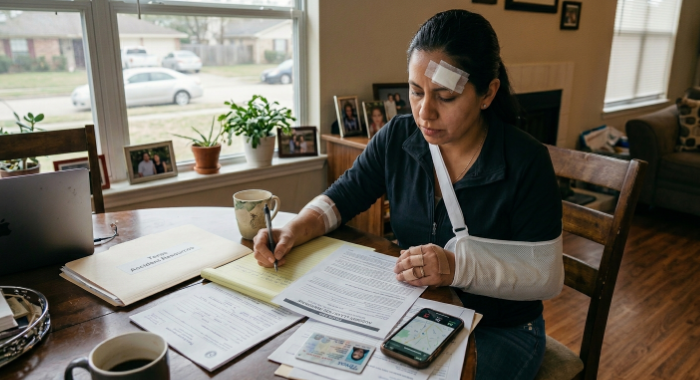
Getting into an accident is stressful for anyone. But if you are an immigrant living in Texas, the fear and confusion that follow a crash can feel overwhelming. You may wonder whether you can report the accident, whether you can see a doctor, and whether you even have the right to ask for compensation. The good news is that Texas law protects you, regardless of where you were born or what documents you carry.

This guide walks you through everything you need to know about immigrant accident rights in Texas, from the moment a crash happens to the steps you take to protect your claim.

You Have Legal Rights After an Accident in Texas, Period

One of the biggest misconceptions in immigrant communities is that only U.S. citizens can take legal action after a crash. That is simply not true. Texas law and the U.S. The Constitution protects everyone within the state’s borders, not just citizens.

The 14th Amendment to the U.S. Constitution states that no state may deny any “person” within its jurisdiction the equal protection of the laws. The word used is “person,” not “citizen.” This means your Texas personal injury rights as an immigrant are the same as those of any other resident. 

The Texas Constitution and the Texas Civil Practice and Remedies Code further reinforce this: anyone who suffers harm due to another person’s negligence has the right to seek compensation. 

So if you were hurt in a car crash, a truck accident, a slip and fall, or any other incident caused by someone else’s carelessness, you have every right to pursue an injury claim regardless of immigration status in Texas.

Can Undocumented Immigrants Sue After an Accident in Texas?

Yes, absolutely. Texas courts have been clear on this point for decades. Filing a civil personal injury claim does not notify immigration authorities. ICE is not automatically informed when civil lawsuits are filed, and your immigration status is not admissible evidence in a personal injury claim.

In fact, in the landmark Texas Supreme Court case TXI Transportation Co. v. Hughes (2010), the court ruled that evidence of immigration status unrelated to the case’s merits is inadmissible. This means the other side’s attorney generally cannot use your status against you in court. 

Even more striking: in 2003, a Texas appeals court ordered a company to pay a subcontractor nearly $750,000 in damages after an on-the-job injury. The court explicitly rejected the argument that citizenship was required to recover damages for lost earning capacity, stating that state law “does not require citizenship or the possession of an immigration work permit as a prerequisite to recovering damages for lost earning capacity.”

If you are asking whether you can file an undocumented immigrant accident claim in Texas, the answer from Texas courts is a firm yes.

Steps to Take After a Car Accident in Texas as an Immigrant

Knowing what immigrants should do after an accident in Texas can make or break your ability to recover compensation. The actions you take in the first hours and days are critical.

Stay at the scene and call for help. Never leave an accident scene. Regardless of your immigration status, leaving can result in criminal charges that could seriously impact your future. Call 911 immediately if anyone is injured.

Get medical attention right away. Even if you feel fine, go to the doctor as soon as possible. Some injuries, including concussions and internal injuries, are not immediately apparent. Seeking prompt care also creates a medical record that directly supports your injury claim. Federal and state laws protect your right to emergency medical care regardless of immigration status. Hospitals do not report patients to immigration authorities. 

Document everything at the scene. If you are physically able, take photos of the vehicles, the road, any visible injuries, and any hazards. Get the names and contact information of witnesses. Write down the time, date, and location of the accident. This evidence can serve as the foundation for a strong claim.

Report the accident to the police. Always report a car accident to law enforcement. An official police report creates a record of what happened and can later support your version of events. 

Do not give a recorded statement to insurance companies without a lawyer. Insurance adjusters are trained to find gaps in your story. A careless statement can be used to minimize or deny your claim.

Contact a personal injury lawyer in Texas as soon as possible. An experienced attorney can handle insurance companies, gather evidence, and protect your rights.

What Compensation Can You Recover?

Texas accident laws for immigrants allow recovery for the same types of damages as any other injury victim. Compensation in a personal injury claim can include:

  • Medical expenses, both past and future, cover emergency room visits, surgeries, physical therapy, prescription medications, and follow-up care. 
  • Lost wages for every day you could not work because of your injuries. Loss of future earning capacity if your injuries prevent you from doing the work you did before. 
  • Pain and suffering account for the physical discomfort and emotional toll of living with your injuries. Property damage for repairs to your vehicle or other belongings. 

Your immigration status does not reduce the amount of compensation you are entitled to. Compensation is calculated based on the severity of your injury and the impact it has on your life, not on your documents. 

Do Not Wait: Texas Has a Filing Deadline

One of the most important things to understand about Texas accident laws for immigrants is the statute of limitations. Under Texas Civil Practice and Remedies Code Section 16.003, you generally have two years from the date of your accident to file a personal injury lawsuit. 

Missing this deadline almost certainly means losing your right to compensation forever, regardless of how strong your case is. The sooner you reach out to a lawyer, the better your chances of gathering strong evidence, locating witnesses, and building a compelling claim. 

Workers’ Compensation and Immigrant Rights on the Job

If your accident happened at work, you also have protections. The Texas Workers’ Compensation Act provides income and medical benefits for employees who suffer work-related injuries alike. Crucially, the law covers both documented and undocumented workers alike. Your employer cannot legally deny workers’ compensation benefits simply because of your immigration status.

Texas is unique because employers are not required to carry workers’ compensation insurance. If your employer does not have coverage, you may have the right to file a direct personal injury lawsuit against them instead.

Frequently Asked Questions

Can an undocumented immigrant file a personal injury lawsuit in Texas?

Yes. Texas law and the U.S. Constitution protect all persons within the state’s borders. Immigration status does not prevent you from filing a personal injury claim or recovering compensation for your injuries and losses.

Will my immigration status be revealed in court?

In most cases, no. The Texas Supreme Court ruled in TXI Transportation Co. v. Hughes that immigration status is not admissible evidence in a personal injury case unless it directly relates to the merits of the claim. Your attorney can also seek a protective order to prevent disclosure.

How long do I have to file an accident claim in Texas?

Under Texas Civil Practice and Remedies Code Section 16.003, you generally have two years from the date of your accident to file a lawsuit. Waiting too long can result in losing your right to compensation entirely.

What if I were injured at work and I am undocumented?

The Texas Workers’ Compensation Act covers both documented and undocumented employees. If your employer has workers’ compensation insurance, you are entitled to medical and income benefits. If they do not, you may be able to file a personal injury lawsuit directly.

Do I need a lawyer to file an accident claim?

You are not legally required to have a lawyer, but having one significantly improves your chances of a fair settlement. An experienced personal injury lawyer for immigrants in Texas knows how to handle insurance companies, protect your confidentiality, and maximize your compensation.

What if I were in a hit-and-run accident?

You still have options. Reporting the hit-and-run accident to the police immediately is critical.

Navigating the legal system as an immigrant can feel intimidating, especially when language and cultural barriers are added to the mix. Working with a bilingual, culturally sensitive attorney makes a significant difference. A skilled Hispanic accident lawyer in Texas who understands the immigrant experience can communicate with you in Spanish, protect your confidentiality, and fight for the full compensation you deserve.

At Ezequiel Reyna Law Office, our team has spent decades representing injury victims across South Texas, including the Rio Grande Valley. We understand the challenges immigrants face, and we are committed to ensuring fear never stands between you and justice. Our firm works on a contingency fee basis, meaning you pay nothing unless we win your case.

You can learn more about our team at our Attorneys page, explore our Practice Areas, or review our Case Results to see how we have helped clients like you.

If you or a loved one was injured in a car accident, truck crash, or any other incident in Texas, do not wait. Contact our office today for a free, confidential consultation.

The Hidden Reasons Bicycle and Pedestrian Accidents Spike in Spring

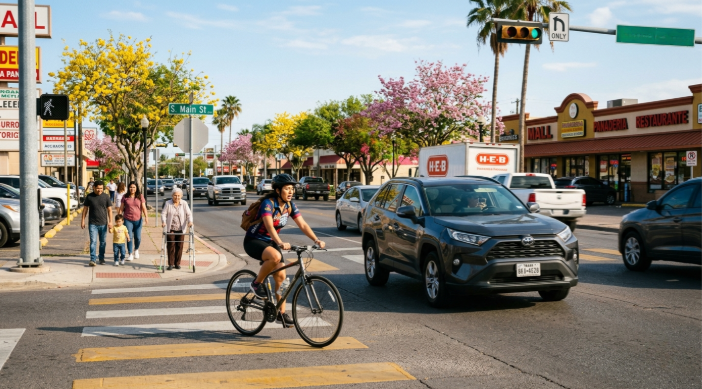
Spring is a naturally joyful moment with warmer temperatures, blooming landscapes, and longer days. This is the perfect season for family outings and jogging, and people enjoy walking outside. Hence, the bicycles are dusted, joggers return to their sidewalks, and pedestrians enjoy walking in fresh air. 

The beauty of the spring season is undeniable, but it also marks the beginning of a serious uptick in road accidents involving cyclists and walkers, incidents that often require guidance from a Personal Injury Lawyer in Texas to protect victims’ rights. If you have ever wondered why bicycle and pedestrian accidents in spring spike so sharply compared to other times of the year, the answer involves a combination of human behaviour, road conditions, and traffic patterns that converge in dangerous ways.

The Numbers Do Not Lie: Spring Is a Dangerous Season on Roads

According to the National Highway Traffic Safety Administration (NHTSA), summer regularly accounts for the highest monthly averages of pedestrian and cyclist fatalities, and the numbers begin climbing as early as March. 

In 2023, NHTSA reported 1,166 pedalcyclist fatalities nationwide, a 4 per cent increase from the prior year, along with an estimated 49,989 cyclists injured in traffic crashes. While these figures reflect the full year, research consistently shows that warmer months carry a disproportionate share of these incidents.

A statewide study in Virginia found that nearly 60 per cent of pedestrian and cyclist injuries occurred between April and September, underscoring how concentrated the risk is during the spring and summer. The pattern is not unique to any one state. Across the country, March marks the turning point when activity picks up, and accident rates begin their seasonal climb.

Why Do Bicycle Accidents Increase During Spring?

Understanding why bicycle accidents increase during spring requires looking at both the roads and the people using them.

More People, More Collisions

The most straightforward explanation is volume. When temperatures rise, dramatically more cyclists, joggers, and pedestrians share road space with vehicles. This sudden increase in non-motorised road users creates more opportunities for dangerous interactions. Drivers who spent the winter months rarely encountering cyclists are now navigating roads where bicycles appear at intersections, alongside parked cars, and on shared lanes daily. 

Distracted Driving Gets Worse in Spring

Distracted driving and pedestrian accidents share a troubling connection that worsens in spring. As outdoor events, spring break travel, festivals, and vacation planning ramp up, drivers become more likely to be on their phones, adjusting GPS, or lost in thought. Because bicycles have a smaller profile than cars, a distracted driver is far less likely to notice a cyclist until it is too late. 

Left Cross and Right Hook Collisions

Among the most common causes of bicycle accidents in spring are left-cross and right-hook collisions. A left cross happens when a motorist turns left directly into the path of an oncoming cyclist. A right hook occurs when a driver passes a cyclist and then immediately turns right, cutting across their path. These collisions are especially frequent in spring when drivers are not yet adjusted to sharing the road with cyclists after months of lower bicycle traffic.

Spring Pedestrian Accident Risks: Crosswalks Are a Danger Zone

Pedestrian injuries in crosswalks are among the most common and heartbreaking types of spring traffic accidents. Many pedestrians reasonably assume that a marked crosswalk provides safety. But distracted driving makes crosswalk accidents more likely when foot traffic is high.

Spring brings more pedestrians crossing streets near parks, school zones, shopping areas, and outdoor venues. At the same time, drivers may be distracted, speeding through intersections, or simply unaware of the increased pedestrian activity after a quieter winter. 

Bicycle and Pedestrian Safety Tips for Spring

Knowing the risks is only half the battle. Here are practical bicycle and pedestrian safety tips that can genuinely reduce your chances of being involved in an accident this spring.

For Cyclists

Here are the steps that needs to be followed by cyclists when they ride in Spring:

  • Wear a properly fitted helmet every single time you ride. 
  • Use front and rear lights, particularly during dawn, dusk, or rainy conditions when visibility drops. 
  • Stay in designated bike lanes whenever available, and signal your turns clearly so drivers can anticipate your movements. 
  • Avoid riding against traffic, as this dramatically increases the chance of a collision. 
  • Check your bike before every spring ride since tires may have deflated over winter, and brakes may need adjustment. 

For Pedestrians

Here are the steps that needs to be followed by pedestrians when they walk in Spring:

  • Cross only at marked crosswalks and wait for the walk signal before stepping off the curb. 
  • Make eye contact with drivers before crossing to confirm they see you. 
  • Wear brightly coloured or reflective clothing in low-light conditions. 
  • Put your phone away while walking near traffic because distracted walking is a real contributor to pedestrian injuries. 
  • Avoid using headphones at high volume near busy roads, as being able to hear approaching vehicles is an important safety tool.

For Drivers

Here are the steps that needs to be followed by drivers when they drive in Spring:

  • Actively scan for cyclists and pedestrians at every intersection and near parked cars. 
  • When passing a cyclist, maintain a safe distance of at least three feet, which is also a legal requirement in Texas. 
  • Slow down in neighbourhoods, school zones, and areas with high pedestrian traffic. 
  • Never drive while using your phone. Be especially cautious after rain when road surfaces are slick, and cyclists may behave unpredictably to avoid puddles or debris.
  • If you want more detailed guidance, our post on driver error and car accidents is a useful read.

Understanding Your Legal Rights After a Spring Accident

If you or someone you love has been injured in a bicycle or pedestrian accident, understanding your rights is essential. Texas law treats bicycles as vehicles, meaning cyclists have the same rights and duties as motorists. Drivers have a legal duty of care to share roads safely and must maintain safe distances when passing. 

Texas follows a modified comparative negligence rule. This means that even if an injured party is found partially responsible for an accident, they can still recover compensation as long as they are 50 per cent or less at fault. The compensation is reduced by the percentage of fault assigned to them.

Whether you are dealing with medical expenses, lost wages, or pain and suffering, you do not have to navigate the claim process alone. An experienced bicycle accident lawyer or pedestrian accident lawyer can help you gather evidence, understand the value of your claim, and deal with insurance companies that may try to minimize your payout.

Contact Ezequiel Reyna Law Office After a Spring Bicycle or Pedestrian Accident

If you or someone you love has been injured in a bicycle or pedestrian accident this spring, getting legal guidance early can help protect your rights and strengthen your claim. The attorneys at Ezequiel Reyna Law Office proudly represent injury victims throughout Texas, including clients in McAllen, Weslaco, and Midland. The firm handles car accidents, bicycle accidents, pedestrian accidents, trucking accidents, and other serious personal injury claims.

Frequently Asked Questions

Q: Why do bicycle and pedestrian accidents increase specifically in spring?

A: Spring brings a sharp rise in the number of cyclists and pedestrians on roads after months of lower outdoor activity. Drivers who are not accustomed to sharing the road with cyclists are more likely to be inattentive. Combined with road debris left over from winter, distracted driving, and increased traffic overall, spring creates a uniquely hazardous environment for non-motorised road users.

Q: What are the most common causes of bicycle accidents in spring?

A: The leading causes include distracted driving, left cross and right hook collisions at intersections, dooring incidents near parked vehicles, road hazards like potholes and debris, and drivers failing to maintain a safe passing distance.

Q: What should I do immediately after a bicycle or pedestrian accident?

A: Seek medical attention right away, even if injuries seem minor. Call the police and get an official report. Document the scene with photos, collect witness contact information, and avoid making any statements to insurance companies without legal guidance. Reaching out to a bicycle accident lawyer or pedestrian accident lawyer early can make a significant difference in your case.

Q: Can a pedestrian be found at fault in a crosswalk accident?

A: Yes, in some cases. If a pedestrian crossed against a signal, jaywalked, or otherwise contributed to the accident, they may be assigned a percentage of fault. Texas comparative negligence rules still allow recovery if the pedestrian is 50 per cent or less at fault.

Q: How can drivers be more aware of cyclists and pedestrians in spring?

A: Drivers should reduce speed in areas with high foot and bicycle traffic, put phones away completely, check mirrors and blind spots before opening car doors or making turns, and look for cyclists at every intersection. Spring road safety awareness starts with recognising that more people are sharing the road and adjusting driving habits accordingly.

What Is a Slip and Fall Case? Everything You Need to Know in 2026

Every year, millions of people are injured after slipping, tripping, or falling on someone else’s property. Many walk away, sometimes literally, without realizing they had every right to seek compensation.

A slip-and-fall case is a type of personal injury lawsuit that holds property owners legally responsible when a hazardous condition on their premises injures someone. These cases fall under the law of premises liability, and they are far more common and legally complex than most people realize.

Understanding what a slip and fall case actually involves can be the difference between walking away with nothing and receiving the compensation you genuinely deserve. This guide covers the legal foundation, what you need to prove, what steps to take after an accident, and how much your case might be worth.

The Legal Foundation: What Makes a Fall a “Case”?

Not every fall on someone else’s property results in a viable lawsuit. The law does not expect property owners to prevent every possible accident; it expects them to act reasonably. The central question in any slip-and-fall case is whether the property owner knew, or should have known, of the dangerous condition and failed to address it promptly.

This standard is known as the reasonable person standard. If a grocery store employee mops the floor and immediately puts up warning signs, that is reasonable. If a spill sits unattended for two hours during peak shopping time with no warning signs in sight, that is negligence and the foundation of a solid claim.

Your legal status on the property also matters. Customers in a store receive the highest duty of care. Social guests in a private home are expected to pay a moderate fee. Trespassers, in most cases, receive very little protection under the law, with limited exceptions for children under the attractive nuisance doctrine.

Common Causes of Slip and Fall Accidents

Slip-and-fall accidents occur in a wide range of environments. Wet or slippery floors are the most widely recognized cause, whether from spills, recently mopped surfaces, or roof leaks. Uneven pavement, broken tiles, loose carpet edges, icy walkways, poorly lit stairwells, and missing or damaged handrails all regularly give rise to these claims.

In workplace settings, OSHA consistently ranks slips, trips, and falls among the leading causes of serious occupational injuries. In retail, restaurants, and apartment buildings, the combination of heavy foot traffic and variable maintenance standards creates frequent opportunities for negligence.

The setting matters legally because it affects who is responsible and what duty of care applies. A fall in a shopping mall involves different considerations than one on a construction site, a private residence, or a government-owned sidewalk.

The Four Things You Must Prove

To successfully pursue a slip and fall case, you and your attorney must establish four distinct legal elements. Think of them as four links in a chain; break any one of them and the claim falls apart.

First, you must show that the property owner owed you a duty of care. This is usually the easiest element to establish; if you were a customer in a store or a tenant in a building, a duty clearly existed.

Second, you must demonstrate a breach of that duty, meaning the owner failed to maintain a reasonably safe environment. This is where evidence such as surveillance footage, maintenance logs, prior incident reports, and witness accounts becomes critical.

Third, you must prove causation, meaning the breach directly caused your injury. Insurance companies often try to argue that a pre-existing condition, not the fall, is responsible for your pain. Strong medical documentation linking your injuries to the accident is essential here.

Finally, you must show that you suffered actual damages, measurable harm such as medical bills, lost income, or pain and suffering. Even when liability is clear, a case without significant damages rarely justifies the expense of litigation.

What to Do After a Slip and Fall Accident

The moments immediately after a slip-and-fall are more legally significant than most people realize. Seek medical attention even if you feel relatively okay. Certain injuries, including concussions and soft tissue damage, do not always present symptoms right away, and a medical record created close in time to the accident is far more convincing than one made days later.

Report the incident to the property owner or manager before you leave and request a written incident report. Take photographs of the hazard, your injuries, and the surrounding area, particularly before anything is cleaned up or repaired. If there were witnesses, get their names and contact information.

One of the most overlooked steps is requesting preservation of surveillance footage. Many businesses overwrite their video recordings within 24 to 72 hours. Your attorney can send a legal preservation letter to stop that from happening, but only if you act quickly.

Be cautious about what you say to the property owner or their insurance company before speaking with an attorney. Statements made in the immediate aftermath, even well-intentioned ones like “I’m fine,” can be used against you later.

What Compensation Can You Recover?

Compensation typically falls into two broad categories. Economic damages cover tangible financial losses, including past and future medical bills, lost wages, reduced earning capacity, and rehabilitation costs. 

Non-economic damages address pain and suffering, emotional distress, loss of enjoyment of life, and, in severe cases, loss of consortium.

Settlement amounts vary considerably depending on the severity of the injuries, the clarity of liability, and the jurisdiction. A case involving a minor sprain may settle for $10,000 to $30,000. 

A case involving a traumatic brain injury or permanent disability can reach well into the hundreds of thousands. Most slip and fall cases, roughly 95%, are resolved through negotiation with the property owner’s insurance carrier rather than going to trial.

How Long Do You Have to File?

Every state has a statute of limitations, a legal deadline for filing a personal injury lawsuit. In most U.S. states, this window is two to three years from the date of the accident. Claims against government entities can involve even shorter deadlines, sometimes as little as six months. If your accident occurred on public property, speaking with an attorney quickly is especially important.

Know What Your Slip and Fall Case Is Worth Before You Settle

If you were injured in McAllen, Weslaco, or anywhere in the Rio Grande Valley, speak with an experienced slip-and-fall lawyer McAllen residents trust. Contact the Ezequiel Reyna Law Office for a 100% free consultation. With over 45 years of fighting for injured Texans, our personal injury attorneys are ready to help you get the compensation you deserve.

Personal Injury Lawyer McAllen: How Case Value Is Calculated in Texas

If you were hurt in an accident in McAllen or anywhere in Hidalgo County, one of the first questions you probably have is: how much is my case actually worth?

It is a fair question with no simple answer. Under Texas law, no two personal injury cases are alike. The value of your claim depends on the specific facts of your accident, the nature of your injuries, the applicable statutes, and how well your case is documented and argued.

What Texas Law Says About Personal Injury Claims

The Texas Civil Practice and Remedies Code governs personal injury claims. A valid claim requires four elements:

  • A duty of care owed by the other party 
  • A breach of that duty through negligence 
  • A direct causal link between the breach and your injury 
  • Actual damages such as medical expenses or lost income.

If all four elements are met, Texas law entitles you to pursue financial compensation. A combination of economic damages, non-economic damages, and, in rare cases, punitive damages determines your total recoverable amount.

The Two-Year Filing Deadline You Cannot Miss

According to  Justia, Texas Civil Practice and Remedies Code Section 16.003(a) requires personal injury lawsuits to be filed within 2 years of the incident. Missing this statute-of-limitations deadline almost always results in a complete bar to recovery.

There are limited exceptions. Minors are given extended time to file under Section 16.001. If a government entity caused your injury, Linoslaw notes that the Texas Tort Claims Act typically requires written notice within 180 days of the accident, which applies to incidents involving city-owned vehicles on corridors like Expressway 83. Individuals who were of unsound mind when the cause of action accrued also receive a tolling of the limitations period.

Step 1: Economic Damages

Economic damages are tangible, documentable losses. These include emergency room visits, hospital stays, surgeries, physical therapy, rehabilitation, and prescription medications. For serious injuries, projected future costs for ongoing treatment, specialist care, and in-home nursing must also be accurately calculated.

Lost wages are another major component. Documentation from employer records and pay stubs supports income claims lost during recovery. Future loss of earning capacity is also recoverable, particularly for younger plaintiffs or those in higher-paying careers.

Car accident injury attorneys ensure property damage is fully included in settlement calculations, covering vehicle repair costs, pre-crash market value for total losses, rental car expenses, and any personal property damaged in the vehicle.

Step 2: Non-Economic Damages

Non-economic damages are often where the real difference between a low settlement and a fair one is made. These include physical pain and discomfort, anxiety, depression, emotional trauma, including PTSD, sleep disruption, and loss of enjoyment in hobbies and relationships.

Since there is no invoice for pain and suffering, Texas attorneys and insurance adjusters use the multiplier method. This approach multiplies total economic damages by a factor between 1.5 and 5. A multiplier of 1.5 to 2.0 applies to minor injuries like whiplash or sprains. A multiplier of 4 or 5 applies to severe or permanent injuries. If economic damages total $50,000 and a multiplier of 3 applies, the settlement amount would equal $150,000.

Step 3: Punitive Damages

Punitive damages are rare and available only when a defendant’s conduct was grossly negligent or willful under Texas Civil Practice and Remedies Code Section 41.003. Texas caps punitive damages at $12 million for general personal injury cases and at $750,000 for medical malpractice claims.

Step 4: The Modified Comparative Fault Rule

How fault is determined shapes the outcome of every Texas personal injury case. Under Texas Civil Practice and Remedies Code Section 33.001, if you are found 51% or more responsible for the accident, you cannot recover any damages. If you are less than 51% at fault, your compensation is reduced proportionally.

In practice, if your total eligible damages equal $100,000 and you are deemed 20% at fault, you would receive $80,000. Insurance companies regularly attempt to assign inflated fault percentages to injured claimants, which is why preserving evidence immediately after an accident is critical.

How Injury Severity Shapes Case Value

Minor soft tissue injuries typically resolve between $10,000 and $25,000. Moderate injuries requiring surgery or rehabilitation often settle between $50,000 and $200,000. Severe or catastrophic injuries such as traumatic brain injury, spinal cord damage, and amputations frequently exceed $500,000 and can reach several million dollars.

As reported by Monsanto Roundup, a Texas jury awarded nearly $60 million in October 2024 after a man was left paralyzed due to delays in hospital care. Bureau of Justice Statistics data shows that the national median personal injury award sits around $31,000 across all case types, underscoring why individual case analysis matters.

Other Factors That Affect Case Value

Gaps in medical treatment give insurers grounds to argue injuries were not serious. Pre-existing conditions are frequently raised to reduce payouts. Texas minimum liability limits are $30,000 per person and $60,000 per accident, meaning policy limits can cap total recovery. Experienced attorneys investigate commercial coverage and uninsured or underinsured motorist coverage.

Whether the case involves a slip-and-fall, a car accident, or a catastrophic injury, attorneys who regularly litigate negotiate from a position of strength.

Why Hiring a Personal Injury Lawyer McAllen Residents Trust Makes a Financial Difference

Represented claimants consistently recover more than those who negotiate alone. A qualified attorney provides full damage valuation using medical and economic experts, assembles necessary evidence, counters comparative fault tactics, and negotiates with leverage from a proven trial record. McAllen personal injury attorneys typically work on a contingency fee basis, meaning you pay nothing unless they win.

Texas law creates a legal framework that works in your favor when properly navigated. If you were injured in McAllen, Weslaco, or anywhere in the Rio Grande Valley, speak with an experienced attorney before accepting any settlement.

Contact the Ezequiel Reyna Law Office for a 100% free consultation. With over 45 years of experience fighting for injured Texans, their team serves clients from offices in McAllen (1200 Auburn Ave, Bldg. 200, Ste. 275) and Weslaco (702 W. Expressway 83, Suite 100), with additional service to the Midland area. They handle car accidents, 18-wheeler crashes, commercial vehicle accidents, oilfield injuries, motorcycle accidents, and wrongful death claims, fighting to recover the full compensation you deserve under Texas law.

When Can You Sue Your Landlord for Getting Hurt?

Many Texans rent their living accommodations rather than owning. If you do, you are guaranteed the right to a healthy and safe living environment. Unfortunately, not all Texas landlords provide their tenants with reasonably safe living spaces, whether homes, apartments, condos or other habitations. When this happens, people can be injured as a result. If you have been injured in an apartment accident or injured due to the negligence of a landlord in another type of rental property, you can sue your landlord for getting hurt in many circumstances. However, landlords are not automatically liable for all injuries tenants suffer at their rental properties.

A personal injury lawsuit against a landlord can only be successful if you can prove that you were injured due to your landlord’s negligence, carelessness, and prove that they caused or contributed to the injuries through various types of evidence, including pictures or videos of the accident, medical records and bills, police reports or other government entity investigative documents, witness statements, and more. The tenant must show the landlord’s action or inaction naturally and foreseeably caused his or her resulting physical injury. Sometimes landlords can also be held legally responsible for injuries to guests or other people visiting the rental unit.

When a landlord’s behavior is the proximate cause of a tenant’s injury, a court can hold the landlord liable even if they didn’t intend any harm. An act or failure to act by the landlord can be considered the proximate cause of a tenant injury when an ordinary person could reasonably foresee that the landlord’s actions or inactions would cause the injury that occurred.

Tenant Injuries in Unsafe Rental Properties

The theory of liability often used in rental property injury cases is called premises liability. Under this area of the law, your landlord has a duty to fix unsafe conditions when notified by a tenant and failed to do so. Important components of this type of personal injury case include:

  • Fixing the problem would not have been unreasonably expensive.
  • The accident would not have occurred if your landlord had fixed the problem.
  • Your injury was serious and foreseeable.
  • Your landlord’s failure to fix the condition or warn of the hazard caused your injuries.

Rental property accidents can be caused by any number of issues, though common causes can include broken staircases, defective or malfunctioning railings, broken or absent carbon monoxide/smoke detectors, damaged floors, asbestos, and more. In addition, landlords must comply with all applicable health and safety laws, and their failure to do so can be considered automatically negligent and make them liable for any resulting accidents and injuries.

If you are injured in an apartment or other rental property and the injury was caused by an unsafe condition, you must act quickly to ensure your rights are protected. Take the following immediate steps so you can sue your landlord for getting hurt:

  • Get emergency medical attention. Seeking timely and adequate medical treatment is crucial both for your own health and safety and also to document the extent and severity of your rental property injuries. Your doctor’s report and potential testimony can be critical in persuading an insurer and/or a judge or jury about the amount of compensation that you deserve to be paid for the injuries you suffered.
  • Take pictures or video of the accident scene, your own body – including your clothing and footwear, and any injuries or have someone else assist you if your injuries prevent you from being able to do this yourself.
  • Document what happened in writing, even if it is “written” in the Notes application on your mobile phone so that you can capture the events as they happen while your memory is still fresh and before you have a chance to forget anything.
  • Inform your landlord in writing that you were injured and ask them to contact their insurance provider. If the landlord does not take the appropriate steps, you should move forward with bringing a personal injury lawsuit.
  • Preserve evidence of your financial losses such as medical bills, lost wages, pay stubs, transportation receipts, parking receipts, and more.

South Texas Lawyers for Tenant Injury Cases

Those injured in rental property accidents only have a certain amount of time to file a lawsuit against their landlord to recover financial compensation for their damages. In Texas, the statute of limitations for personal injury claims is two years from the date of the incident – meaning, an injury victim or the family of someone wrongfully killed only has two years from the date of the injurious event to sue a negligent landlord. Waiting longer than two years will most likely bar your right to seek or recover financial compensation.

The Weslaco, Texas personal injury trial lawyers of Ezequiel Reyna Jr. Law Office have over 40 years of experience handling cases like yours. We are proud to represent and serve the members of our community in both English and Spanish and to help you recover the financial damages you are due if someone else causes you harm.

The Elements of a Slip and Fall Case

Each year, millions of people are injured in premises liability or slip-and-fall accidents. While anyone can slip and fall, older adults are at higher risk of serious injury if they are the victim. Slip and fall incidents can happen anywhere and if someone else’s negligence contributed to the fall, the victim should seek the help of an experienced personal injury attorney to receive compensation for their injuries and losses. There are specific steps the injured party must take in a slip and fall case; and if all elements of the claim cannot be proven, the claim could quickly be dismissed.

Establishing Duty

The first step in a slip and fall case is to establish duty. The duties associated with a premises liability cause of action in Texas are established using a specific classification system delineating between invitees, licensees, and trespassers. Invitees are invited by the owner – either directly or indirectly – onto the property where the incident took place for purposes that confer an economic or noneconomic benefit to the owner. The owner of the property must ensure their premises is reasonably safe for invitees. A licensee is able to be on the property legally but their presence does not afford a benefit to the property owner. The guest of a person renting a property may be considered a licensee. A property owner has a duty to appropriately warn licensees about hidden defects of the property. A trespasser does not have permission to be present on the property and their presence provides no benefits to the owner. Owners rarely have duty of care to a trespasser.  Once a legal duty can be established, the next step is establishing the duty holder’s liability.

Establishing Liability in a Slip and Fall Claim

In order to establish liability, the victim – whether invitee or licensee – must prove the existence of unreasonably dangerous conditions and/or concealed dangers on the premises at the time of their accident. In 2015, the Texas Supreme Court in Austin v. Kroger made proving liability more difficult in slip and fall cases, holding that if a defect is out in the open and obvious to a common person, like slipping on a colored liquid instead of a clear one, it is harder to obtain compensation for resulting injuries.

With the help of an experienced Texas premises liability attorney, victims of slip and fall incidents can prove every element of a negligence claim, including the following:

  • The owner of the property where the victim was injured owed a duty of care to that individual and failed to live up to that duty.
  • The property owner’s failure to exercise proper care was the direct cause of the victim’s injuries.
  • The victim suffered verifiable damages as a result, including medical treatment costs, lost wages, and other damages.

Filing the Lawsuit

Your attorney may begin working on your case by sending the responsbile party or parties a notice or demand letter. Negotiations outside of litigation often fail because the responsible parties refuse to live up to their obligations to compensate victims without the pressure of a lawsuit. Therefore, an experienced personal injury lawyer will begin filing a lawsuit by drafting initial pleadings and filing them in the proper court. In a Texas slip and fall case, there is a two-year statute of limitations for filing a lawsuit. Once initial pleadings are filed, the party or parties you are suing, now known as defendants, will have a chance to answer your allegations in a formal response to the court.

Once a personal injury lawsuit is underway, the discovery stage begins. This phase involves producing various parties for sworn depositions and the sending of and responding to various discovery requests. A variety of documents may be requested, including the injured party’s medical records and any safety protocols of the defendant. Having a knowledgeable attorney by your side is the best way to prepare for a deposition.

Once the discovery stage is complete, each side will likely file motions that the court will rule on. In most cases in Texas, the parties will be required to work with a mediator to negotiate a settlement before heading to trial. If alternative dispute resolution is unsuccessful, the case will be set for trial.

When parties are unable to resolve all of their legal issues outside of court, a case is set for trial. A judge and/or jury will hear evidence and arguments from each side and make a decision based on the facts as to whether the defendant is liable for the victim’s injuries. If the trier of fact decides the property owner is liable, the amount of damages will then be determined.

South Texas Slip and Fall Attorneys

If you or a loved one has been injured in a slip and fall accident, contact the Rio Grande Valley premises liability attorneys of Ezequiel Reyna Law Office today to discuss your case at no cost. There is limited time to act following a slip and fall accident in Texas, so don’t delay.

Reasons To Hire a Lawyer After a Dog Bite

Dogs, while normally the fun and friendly family pet, can also viciously and violently attack adults and children, leaving them scared and scarred for life. Studies have shown that over four million people in the United States are bitten by dogs each year, and up to 13,000 of those people are hospitalized for severe injuries. Unfortunately, children are at a higher risk of being severely injured by a dog bite because they may not know how to act around dogs; and, even a short, negative interaction with a dog – such as pulling a tail or tugging on their ears – can cause the dog to bite.

There are a variety of reasons a dog will bite you, including:

  • Fear: Dogs can quickly bite a person because of fear. If they do not know the person they are interacting with, are in unfamiliar territory, or are startled, they can quickly bite.
  • Pain: If a dog is in pain from an injury or illness, no matter how sweet or friendly that dog is they can react and bite when that pain is amplified. Petting a dog where they are injured or trying to pick up an injured dog may cause them to snap.
  • Possessiveness: Dogs can be very protective of their “property” and the space where they live. A dog’s property may include a specific person, toys, food, or location. Entering their space or trying to take away or harm their property can incite a dog to react violently.
  • Prey Drive: Many dogs have retained their prey drive and will chase and nip something that runs past them. While most dogs limit that behavior to chasing squirrels and birds, some may chase children or even adults and can bite them.
  • Maternal Instincts: Female dogs who have just given birth to puppies can become very defensive of their young, and no matter how sweet or well-trained, they can bite a person they perceive as trying to take their puppies away or harm them in any manner.

What to Do After a Dog Bites You

The moment a dog bites and injures you or a loved one, immediately seek medical attention. No matter how minor or severe the dog bite is, dogs have bacteria in their mouths that can cause serious infections. There are many types of dog bites, all of which need to be evaluated by a doctor, including: puncture wounds, deep lacerations requiring surgery, disfigurement, severe scarring, infections, and broken bones. After seeking medical treatment, finding an experienced dog bite lawyer will be critical to receiving any compensation from the dog owner or other responsible third parties involved.

The dog owner’s insurance company will attempt to offer you less compensation than you are rightfully owed because they know how to work the legal system in their favor. Insurers often try to paint a negative picture of your interaction with the dog and accuse you of antagonizing the animal or provoking the attack. A knowledgeable dog bite lawyer can ensure you get the justice you deserve. It takes significant time and know-how to effectively negotiate a settlement with a dog owner and/or their insurance company. A dog bite lawyer works with you to determine the true cost of your injuries, including medical costs, lost wages, pain and suffering, and more, and will fight for your rights and get you the compensation you deserve.

Dog Bite Liability

In Texas, there is no law that clearly defines a dog owner’s liability for damages if their dog bites and injures another person. In 1974, the Texas Supreme Court held that the state would follow a “one bite rule” when it comes to personal injury liability from dog bites. The “one bite rule” essentially gives a dog one “free” bite in regards to its owner’s liability to the injured party. After the first bite, though, the owner is now aware of their dog’s tendency to bite; therefore, the law holds they are being negligent if their dog bites again. An experienced dog bite attorney will establish liability in your case by showing that the dog’s owner had previous knowledge of its aggressive behavior, that the dog had previously bitten a person before your bite, and/or the dog’s owner failed to use reasonable care to control their dog and prevent it from hurting you.

There is a specific time limit within which a person can file a personal injury lawsuit in Texas, which is the type of lawsuit you would need to file to receive compensation for a dog bite injury. The statute of limitations for filing such a claim is two years from the day of the bite or other incident in which a dog has harmed you. If you do not file your dog bite lawsuit within those two years, you likely lose your right to hold the dog owner financially accountable for your injuries.

South Texas Dog Bite Attorneys

Being bit by a dog can be an incredibly scary and stressful experience that leaves you scarred for life. By choosing our experienced team, you won’t have to worry about your next steps because you will have our guidance and support. If you or a loved one has been bitten and injured by a dog, contact the Weslaco dog bite lawyers at Ezequiel Reyna, Jr. Law Office today to discuss your case. There is limited time to act, so don’t delay.

Dangers of the Holiday Season

While it may seem like the most wonderful time of the year, there are dangers lurking around every brightly decorated corner this holiday season. Keeping your family safe this holiday season can be made easier by following these holiday safety tips:

  1. Decorate with care: Make sure when decorating to keep an eye out for fire and electric hazards. Make sure to use extension cords properly and never run them through a window or garage door. Christmas trees should also be decorated with tree-safe lights; and, if your family opts for a live tree, keep it well watered to avoid a potential holiday fire.
  2. Avoid holiday theft: Theft across the country tends to increase during the months of November and December. Making sure that your property is secure is essential to preventing theft. Lock your cars and the doors and windows to your home and never leave anything valuable in plain sight. Even leaving a garage door unlocked could lead to significant theft.
  3. Leave the lights on: If you are heading out of town for the holidays, be sure to leave a few lights on throughout your home that make it look like you could still be there. Thieves do not usually approach a home that appears to be occupied. Leaving an outside light on, or having a motion-detecting light, can help keep your home safe.
  4. Package delivery: 2020 has been the year of online shopping and receiving much needed joy through packages coming to the front door. Many thieves have taken this online shopping trend and used it to their advantage by simply walking up and stealing packages right off of front porches. If you are having your holiday gifts delivered this year, request a signature confirmation when the package arrives or have a trusted neighbor hold on to the package for you. Never leave a package in plain sight on your front doorstep.
  5. Box disposal: Placing that 70-inch television box outside for trash pickup may not be the wisest decision this holiday season. Leaving intact boxes of new holiday gifts out for trash collection or recycling may give potential thieves a clue as to what you now have in your home that they may want. Break down all of your gift boxes as much as you can and put them in a large trash bag.
  6. Cooking dangers: The holidays are known to be the best time for all of our favorite comfort foods. When cooking your holiday dinner, make sure to be careful. If deep-frying a turkey, take the frying outdoors and away from the house to prevent possible fires. When baking, make sure to keep an eye on your tasty treats so as not to start an indoor fire. Also, make sure the kitchen is properly ventilated.
  7. Social media: It is important to think about what and when you post to social media this holiday season. Waiting to post your holiday trip, or when you will be out of town, is a good idea to help prevent any potential thieves from noticing you may not be home. Thieves may be stalking social media pages to find those who are not home for the holidays, which gives them the perfect opportunity to break into an empty home. If you do post about gifts or holiday trips, make sure to remove any location information.
  8. Unexpected visitors: While you may have a few close family member or friends over this holiday season to celebrate, be aware that there may be criminals who knock on your door to scope out your home’s valuable goods. These people may pose as a delivery driver or someone asking for charitable donations. If a person you are unfamiliar with knocks at your door, do not give them any personal information and do not let them into your home.
  9. Staying safe at home: This year has been especially tough with the COVID-19 virus spreading across our country. If having family members or friends over for a small gathering, be sure to have handwashing stations ready, hand-sanitizer available, and try to stay socially distanced. If you are unable to stay socially distanced, wear a mask to help prevent any possible spread of the virus. The best gathering would be outdoors if possible, or in a well-ventilated space with fresh air circulating.
  10. Traveling safely: If you are traveling to visit family this year, by plane, train, or car, be sure to stay safe by following all CDC guidelines for travel during the COVID-19 pandemic. Wear a mask, stay socially distanced, and wash or sanitize your hands frequently.

The Ezequiel Reyna, Jr. Law Group Wishes You Happy Holidays!

The team at Ezequiel Reyna, Jr. Law Group hopes your and your family have a wonderful holiday season. We hope the holidays are filled with joy; however, if you or someone you love is involved in an accident over the holidays and needs an experienced South Texas personal injury attorney, contact us for a free consultation.