Car Accidents - Ezequiel Reyna Law Office

100% FREE CONSULTATION 1-800-935-3739

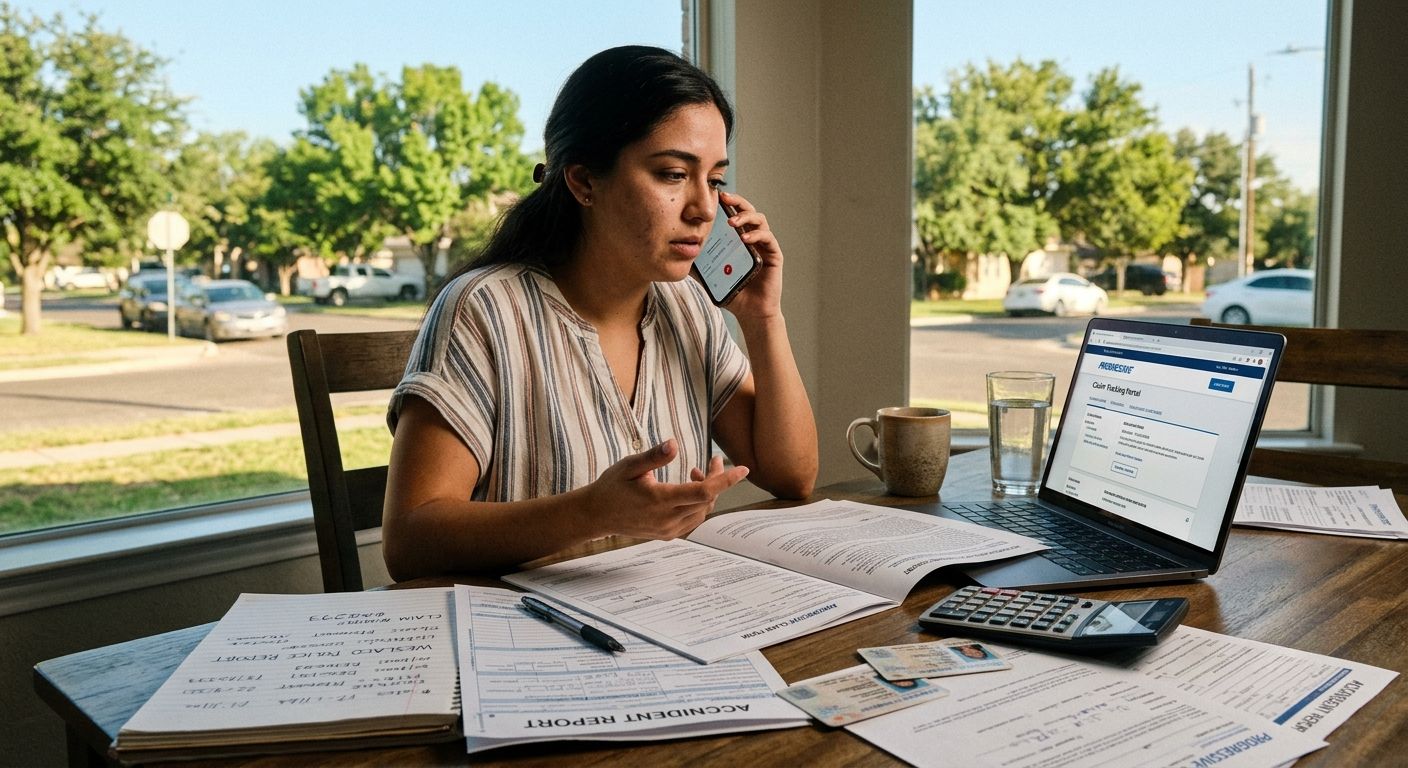
Dealing with Insurance Companies After a Car Accident in Weslaco

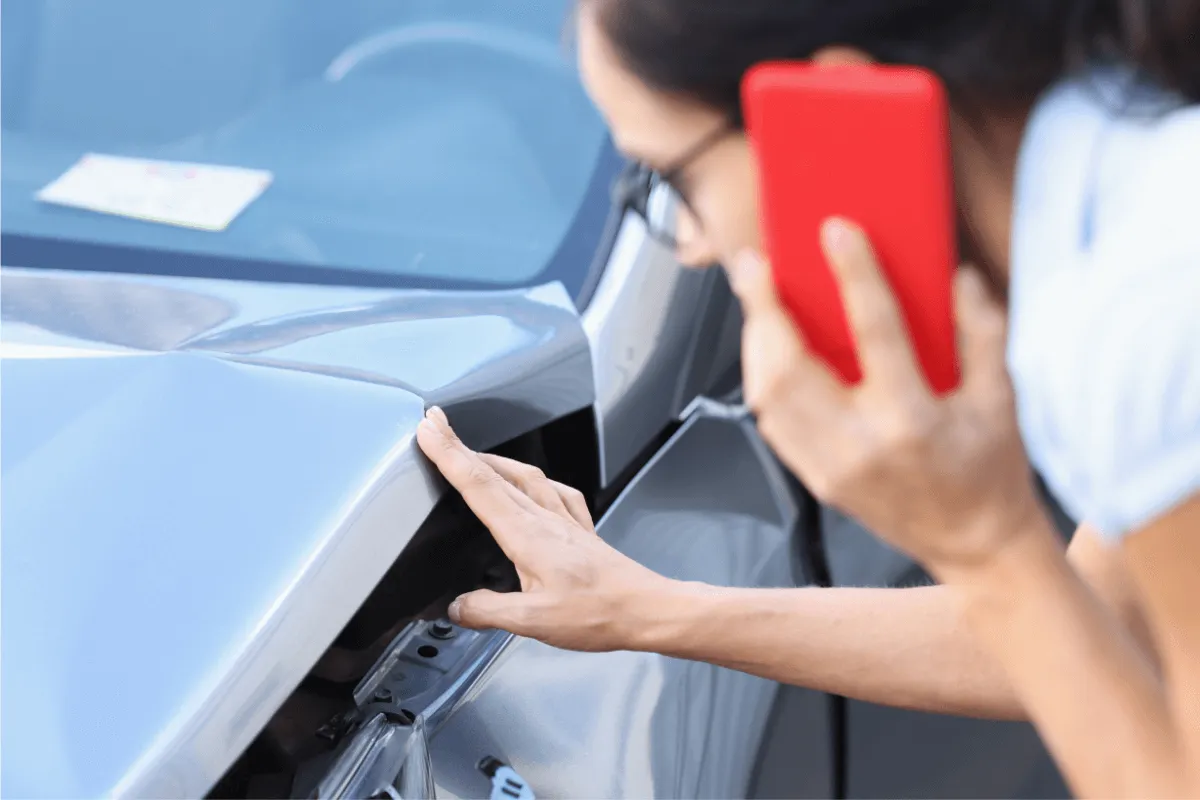
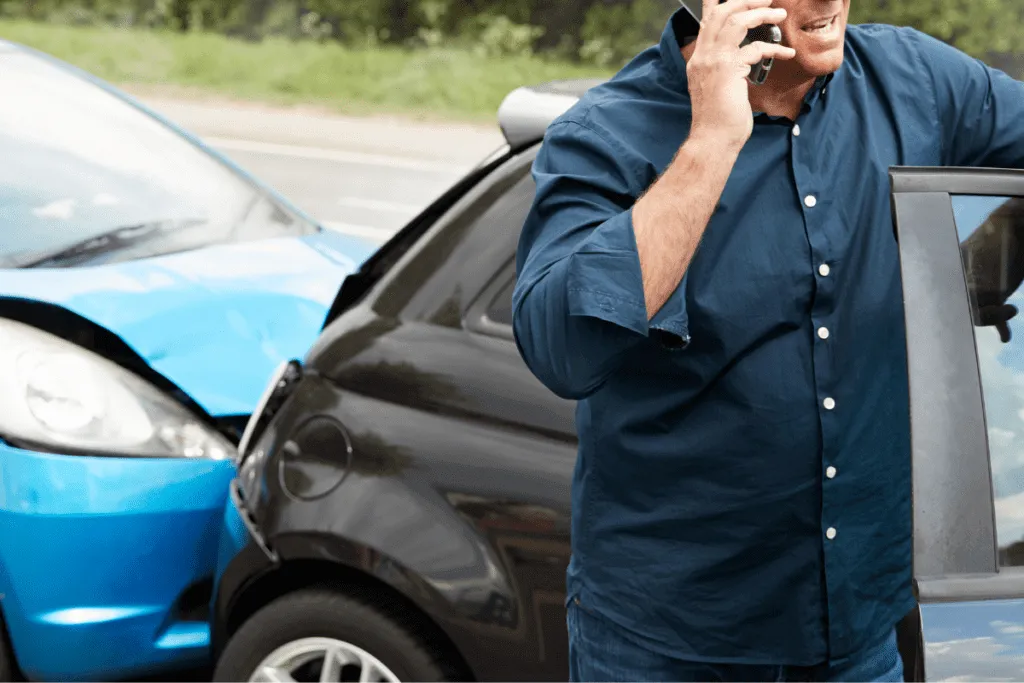
A car accident on Business 83, the Expressway, or any of Weslaco’s busy intersections can turn your day upside down in seconds. Once the dust settles, you’re left with vehicle damage, possibly an injury, and a phone call you have to make to an insurance company. How you handle that call  and everything that follows  can make a real difference in how much compensation you actually recover.

Because Texas is an at-fault (tort) state, insurance claims here work differently than in “no-fault” states. Understanding those rules before you start talking to adjusters can help you avoid the common traps that reduce or deny valid claims.

Texas Is an At-Fault State – Here’s What That Means for Your Claim

In Texas, the driver who causes an accident is financially responsible for the damage and injuries that result. This means that after a crash in Weslaco, you generally have three options for seeking compensation:

1.      File a claim with the at-fault driver’s liability insurance

2.      File a claim with your own insurance (if you have applicable coverage, such as collision or uninsured/underinsured motorist coverage)

3.      File a personal injury lawsuit against the at-fault driver

Because fault determines who pays, insurance companies both the other driver’s and sometimes your own will investigate closely to determine how much of the blame they can shift away from their policyholder.

Texas’s Minimum Insurance Requirements

Every driver in Texas must carry liability insurance that meets the state’s minimum requirements, commonly written as 30/60/25:

  •     $30,000 for bodily injury per person
  •     $60,000 for total bodily injury per accident
  •     $25,000 for property damage

These minimums are established under the Texas Transportation Code. Keep in mind that these are minimums many drivers in the Rio Grande Valley carry only the state minimum, which can leave a significant gap if your medical bills or vehicle damage exceed the at-fault driver’s coverage. This is one reason uninsured/underinsured motorist (UM/UIM) coverage and personal injury protection (PIP) both of which Texas insurers must offer, though you can decline them in writing are worth having on your own policy.

Texas Follows Modified Comparative Negligence

One of the most important rules to understand when dealing with an insurance adjuster is Texas’s modified comparative negligence rule, sometimes called the “51% bar rule” (Texas Civil Practice & Remedies Code, Chapter 33).

Here’s how it works:

  •     If you are found 51% or more at fault for the accident, you are barred from recovering any compensation.
  •     If you are found 50% or less at fault, you can still recover damages, but your compensation is reduced by your percentage of fault.

Example: If a Weslaco jury or insurance adjuster determines your damages total $50,000 but assigns you 20% of the fault, your recoverable amount drops to $40,000.

This is exactly why insurance adjusters, even friendly-sounding ones often ask pointed questions about how the accident happened. Their goal is frequently to shift even a small percentage of fault onto you, since every percentage point reduces what they owe. Be careful about giving recorded statements or admitting any fault before speaking with an attorney.

Texas’s Statute of Limitations

Under Texas Civil Practice & Remedies Code § 16.003, you generally have two years from the date of the accident to file a personal injury or property damage lawsuit. If you miss this deadline, you will likely lose your right to pursue compensation through the courts entirely — regardless of how strong your claim was.

While two years may sound like plenty of time, insurance negotiations can drag on, especially with disputed liability or ongoing medical treatment. It’s wise to start the claims process as early as possible and keep the statute of limitations in mind throughout negotiations.

Reporting Requirements in Texas

Texas law requires that a crash be reported to police if it results in injury, death, or apparent property damage of $1,000 or more. If law enforcement doesn’t respond to the scene, drivers involved may need to file their own crash report (Form CR-2) with the Texas Department of Transportation within 10 days.

A police crash report is one of the most valuable pieces of evidence you can have when dealing with insurance companies, as it documents the officer’s initial assessment of fault, weather and road conditions, and statements from those involved.

Common Insurance Company Tactics to Watch For

After an accident, both the at-fault driver’s insurer and your own insurance company may reach out. Some common tactics adjusters use include:

  •     Requesting a recorded statement early, before you know the full extent of your injuries
  •     Offering a quick, lowball settlement before medical treatment is complete
  •     Disputing the severity of your injuries or claiming they existed before the accident
  •     Delaying the claims process, hoping you’ll accept less out of frustration or financial pressure
  •     Asking you to sign broad medical authorizations that allow them to dig through your unrelated medical history

Remember: adjusters work for the insurance company, not for you. A personal injury lawyer Weslaco accident victims rely on can communicate directly with insurance adjusters, protect you from unfair settlement tactics, and help ensure your claim is properly valued. Their performance is often measured by how much money they save the company on claims.

Steps to Protect Your Claim in Weslaco

  1.     Seek medical attention promptly, even if injuries seem minor some, like whiplash or soft tissue damage, appear days later. This also creates a medical record tying your injuries to the crash.
  2.     Document everything photos of the vehicles, the accident scene, visible injuries, and any relevant road conditions (intersections along Expressway 83 and Business 83 see frequent accidents).
  3.     Get the police report number and request a copy from the local police department or Hidalgo County authorities.
  4.     Notify your own insurance company of the accident, even if you weren’t at fault — most policies require prompt notice.
  5.     Avoid giving recorded statements to the other driver’s insurance company without first understanding your rights.
  6.     Keep records of lost wages, medical bills, and repair estimates to support your claim.
  7.     Don’t accept the first settlement offer without evaluating whether it truly covers your current and future expenses.

Should You Handle the Claim Yourself or Get Legal Help?

For minor accidents with clear fault and only property damage, many people can negotiate directly with insurance companies. However, if you’ve suffered an injury, if fault is disputed, or if the insurance company is undervaluing your claim, consulting a car accident lawyer Weslaco residents trust can make a significant difference. An experienced personal injury lawyer Weslaco drivers rely on understands Texas insurance laws, local court procedures, and how to negotiate with insurance companies that try to minimize payouts.  An experienced local attorney can help you:

  •     Accurately value your claim, including future medical needs
  •     Push back against unfair fault allocations under the comparative negligence rule
  •     Negotiate with adjusters who are trained to minimize payouts
  •     File suit before the two-year statute of limitations expires, if negotiations stall

Final Thoughts

Dealing with insurance companies after a car accident in Weslaco requires an understanding of Texas’s at-fault system, the 51% bar rule for comparative negligence, and the two-year deadline for filing a lawsuit. Insurance adjusters are professionals who negotiate claims every day — arming yourself with knowledge of your rights under Texas law is one of the best ways to make sure you aren’t shortchanged during the process.

Need Help With Your Claim? Contact Ezequiel Reyna Law Office

If an insurance company is undervaluing your claim, disputing fault, or pressuring you to settle quickly after a car accident in Weslaco, the Ezequiel Reyna Law Office can help. With over 45 years of experience fighting for injury victims across the Rio Grande Valley, our team knows how local insurance adjusters operate and how to push back.

We also have offices in McAllen and Midland to serve clients throughout South and West Texas. Consultations are free, Don’t wait until it’s too late – Texas law gives you only two years to file a claim. Contact the Ezequiel Reyna Law Office today for your free consultation.
Most Dangerous Roads in McAllen, Texas

McAllen, Texas, is one of the most economically active urban centres around the US-Mexico border. Being one of the fastest-growing cities in the Rio Grande Valley, McAllen is expanding its population, commercial activity, and constant flow of cross-border traffic. With these growing trends in McAllen, the roads are busier than in any other city in Texas. But the trouble comes in certain roads and intersections that are very dangerous and accident-prone. 

Whether you are a daily commuter, a business driver, or someone new to the area, understanding which roads carry the highest crash risk is essential for protecting yourself and your family. If you have already been hurt in a crash, knowing the facts about McAllen road safety can also help you understand your legal rights. Speaking with an experienced Car Accident Lawyer in McAllen can help you determine your options for pursuing compensation after a serious collision. 

McAllen Car Accident Statistics: How Big Is the Problem?

The scale of McAllen car accidents is significant. In 2022, there were more than 21,700 car accidents recorded across Hidalgo County, with 2,908 of those crashes occurring in McAllen alone. That works out to roughly eight crashes every single day in the city.

The picture becomes more alarming when you look at fatal crashes. In 2021, 10 fatal accidents in McAllen took 12 lives. Three of those killed were pedestrians. These deaths occurred across a range of high-traffic roads and intersections, including I-2/US 83, FM 2220/Ware Road, and Spur 115, all of which have a long and documented history of serious crashes.

The Most Dangerous Roads in McAllen, Texas

Based on TxDOT’s Crash Records Information System (CRIS), which compiles crash data from 2005 through 2021, the following roads in McAllen stand out as the most consistently hazardous.

Interstate 2 / US 83

When it comes to dangerous roads in McAllen, Texas, Interstate 2 stands at the top of the list. I-2/US 83 is the longest-numbered highway in Texas, running 906 miles from the US-Mexico border in Brownsville to the Texas-Oklahoma state line. The portion running through McAllen passes close to the McAllen Miller International Airport and intersects many of the city’s busiest corridors.

In 2022 alone, there were 2,737 accidents on I-2 in Hidalgo County. Between 2005 and 2021, the 4.5-mile stretch through McAllen recorded 20 fatal accidents. A particularly dangerous area is Exit 141 at Spur 115 (23rd Street), which saw two deadly accidents between 2019 and 2021. The combination of high highway speeds, heavy commercial vehicle traffic, and complex merging movements makes Interstate 2 accidents in McAllen some of the most severe in the entire region.

FM 2220 / Ware Road

FM 2220, better known to locals as Ware Road, holds the distinction of being the single most dangerous road in McAllen based on the full span of available CRIS crash data. Between 2005 and 2021, this road logged 21 fatal collisions, more than any other stretch in the city, with at least one deadly crash occurring along this corridor virtually every year.

The core problem is capacity. This two-lane road was never designed to carry the volume of traffic it sees today, and the resulting congestion creates dangerous conditions at multiple points along its 13.8-mile length. TxDOT and the City of McAllen have announced plans to reconstruct and widen FM 2220 to six lanes with expanded shoulders and added left-turn lanes at key intersections. Until that project is completed, drivers should treat this road with significant caution.

US 83 Business

US 83 Business is the longest business loop in the entire state of Texas at 47 miles. It runs directly through the heart of McAllen. It serves as one of the city’s primary east-west corridors. Between 2005 and 2021, this route recorded 14 fatal crashes. 

One of its most dangerous intersections in McAllen is at Bicentennial Boulevard, where both roads transition into divided roadways simultaneously, creating confusion for unfamiliar drivers and an elevated risk of serious collisions.

Texas State Highway 336

SH 336 is a 14.5-mile state highway that runs north-south through Hidalgo County, connecting Hidalgo to Edinburg while passing through some of McAllen’s most congested areas. Between 2015 and 2021, 17 fatal accidents occurred along this route. 

Particularly dangerous spots include intersections at Hackberry Avenue, Lindberg Avenue, and the crossing with US 83. TxDOT has flagged the US 83 Business and SH 336 intersection for improvement with a planned northbound right-turn lane addition.

Spur 115 / South 23rd Street.

Spur 115 runs nearly 7 miles north-south, serving as a key access point for the McAllen-Hidalgo-Reynosa International Bridge and seeing constant international and commercial traffic. 

Beyond the US 83 interchange, one of the known McAllen crash hotspots along this route is the intersection with Dicker Road. The City of McAllen is planning a widening project for a section of Spur 115 to address ongoing safety concerns.

Other High Accident Roads in McAllen

Jackson Road (FM 3362) runs 7.4 miles along the McAllen-Pharr city line. South McColl Road (FM 2061) saw few fatal crashes over the same period, particularly at its intersections with I-2/US 83 and Pecan Boulevard. Both roads are known Hidalgo County car accidents corridors that local drivers should approach with heightened awareness.

Common Causes of McAllen Traffic Accidents

Several factors make these corridors so consistently dangerous. Here are a few of them mentioned:

  • High traffic volume creates more conflict points at intersections. 
  • Distracted driving, including cell phone use and in-vehicle distractions, is one of the most frequent contributors to McAllen car accidents. 
  • Speeding and aggressive lane changes, especially on highway corridors like I-2, dramatically increase crash severity. 
  • Poor visibility at certain locations, unclear or absent signage at complex intersections, and the mismatch between road capacity and traffic demand also play major roles.

Notable Intersections Within McAllen

Beyond the roads themselves, certain specific intersections in McAllen are well-known as high-accident areas. These are the most dangerous intersections in McAllen:

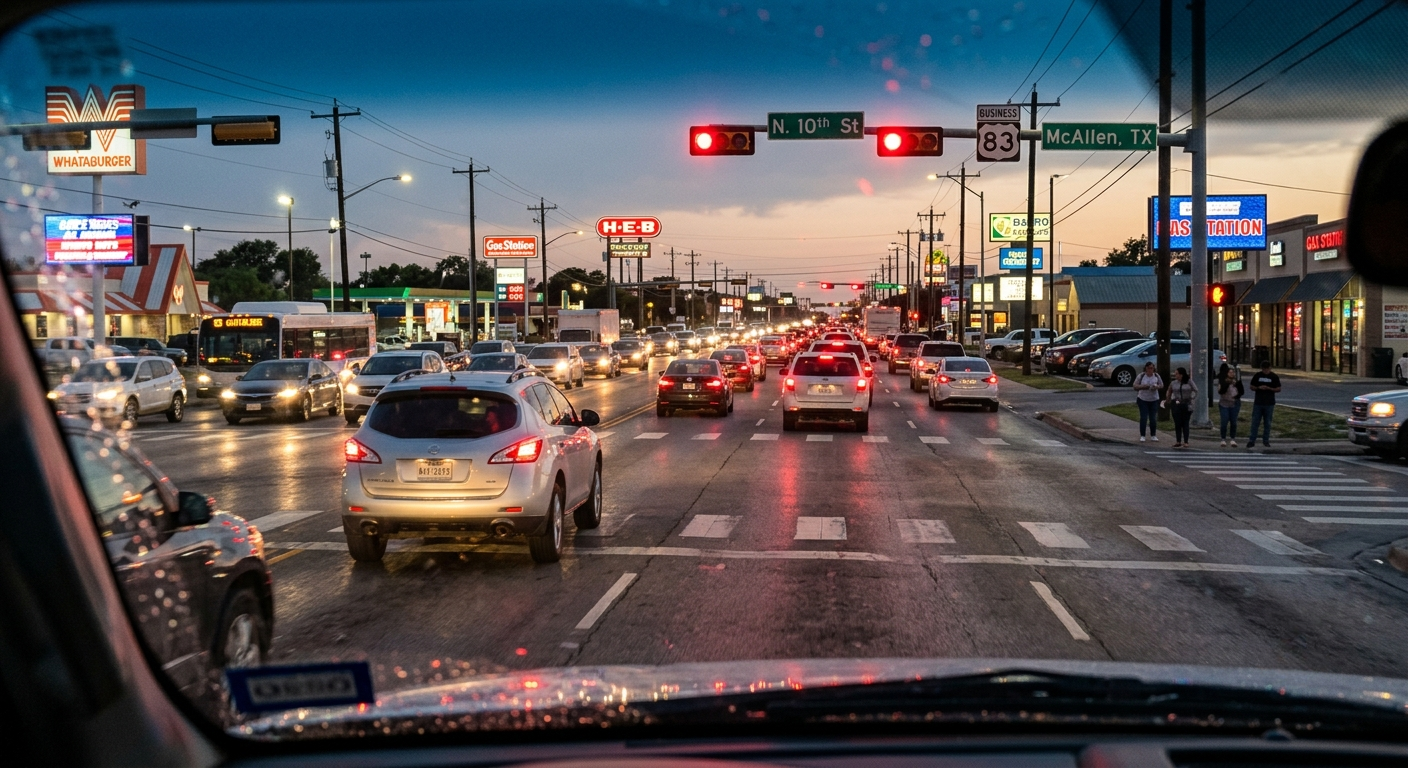
  • The intersection of 10th Street and Business 83 sees heavy multi-lane traffic and complex turning movements that frequently lead to confusion and collisions. 
  • Sam Houston Boulevard at Jackson Avenue experiences high volume during peak commuting hours, compounded by overlapping lanes and unclear signage. 
  • The intersection of Nolana Avenue and 23rd Street is another recurring crash site where drivers frequently overlook stop signs. 

These spots illustrate how even familiar intersections can pose danger for everyday drivers in McAllen.

At Ezequiel Reyna Law Office, we make sure our clients do not overlook these important intersections in McAllen. Our team of experts specializes in solving car accident cases in McAllen. 

McAllen Road Safety Tips

When navigating McAllen’s most dangerous corridors, there are practical steps you can take to reduce your risk meaningfully. 

  • Slow down and leave a generous following distance, particularly on I-2 and US 83 Business during peak morning and evening commute hours. 
  • Avoid using your phone or any handheld device while driving. When merging onto high-speed corridors from Spur 115, allow ample time to match traffic speed before entering. 
  • At complex intersections like those along US 83 Business, scan all directions carefully before proceeding, even when you have a green light or right of way. 
  • Stay especially alert on FM 2220 and Jackson Road, where the combination of congestion and limited turning lanes creates elevated hazards. 
  • If you encounter dangerous road conditions, report them to the City of McAllen’s public works department or TxDOT so that repairs or signage improvements can be prioritized.

If you have been hurt on one of these dangerous roads in McAllen, Texas, you may have a right to compensation for your medical bills, lost wages, pain and suffering, and other damages. Texas law gives injury victims two years from the date of an accident to file a personal injury claim, but physical evidence, surveillance footage, and witness recollections all disappear far sooner than that deadline.

At Ezequiel Reyna Law Office, our team has substantial experience handling car accident cases and commercial vehicle accidents throughout the Rio Grande Valley, including crashes on I-2, FM 2220, SH 336, and other McAllen roads and intersections. Contact us for your accident cases because the roads in McAllen can be unpredictable, but your legal representation should not be.

What Is the Average Car Accident Settlement in Texas? (2026 Guide)

If you’ve been injured in a car accident in Texas, one of the first questions you’re going to ask is, “How much is my case worth?”

It’s a fair question, but the truth is, there is no one-size-fits-all answer.

Some cases resolve for a few thousand dollars. Others result in life-changing recoveries. What matters is not the “average,” but the facts of your case, your injuries, your losses, and how well your case is built.

At the Ezequiel Reyna Law Office, we’ve seen firsthand how different every case can be, especially here in South Texas and across the Rio Grande Valley.

What Is the Average Car Accident Settlement in Texas?

While some estimates suggest that many settlements fall within the tens of thousands, actual outcomes vary widely.

Minor injury cases may resolve for a few thousand dollars. Serious injury cases can reach hundreds of thousands or more. Catastrophic cases involving long-term or permanent injuries can result in settlements or verdicts in the millions.

The reality is this:
Your case is not based on an average. It’s based on what happened to you.

What Determines the Value of Your Case?

Every case is evaluated based on specific factors. The most important include:

Severity and Permanence of Injuries

The more serious and long-lasting the injury, the greater the potential value of the case. Injuries like traumatic brain injuries, spinal cord damage, or those requiring surgery carry a significantly higher impact than short-term soft tissue injuries.

Medical Expenses (Past and Future)

Your claim should include all medical care, emergency treatment, hospital stays, therapy, medications, and any future care you may need.

Lost Income and Reduced Earning Ability

If your injuries prevent you from working or affect your ability to earn in the future, those losses are part of your claim.

Pain and Suffering

Texas law allows recovery for physical pain, emotional distress, and the overall impact the injury has had on your life.

Property Damage

This includes the cost to repair or replace your vehicle and any personal property damaged in the crash.

Fault and Insurance Coverage

Who is at fault and how much insurance is available can significantly affect the outcome of your case.

Texas Laws That Affect Your Settlement

Understanding Texas law is critical to understanding your case.

Texas is an at-fault state.

In Texas, the person responsible for the accident is responsible for paying damages. This typically happens through their insurance company.

The 51% Rule (Modified Comparative Fault)

Under Texas law:

  • If you are 50% or less at fault, you can recover damages (reduced by your percentage of fault)
  • If you are 51% or more at fault, you cannot recover

Insurance companies know this rule and often try to shift blame. That’s why how your case is handled matters.

Minimum Insurance Requirements (30/60/25)

Texas requires drivers to carry:

  • $30,000 per person for injuries
  • $60,000 per accident
  • $25,000 for property damage

In serious accidents, this is often not enough.

Two-Year Time Limit to File a Claim

You generally have two years from the date of the accident to file a lawsuit. Waiting too long can prevent you from recovering anything at all.

Additional Liability May Apply

In some cases, additional parties may be responsible:

  • A bar or restaurant that overserved a driver (dram shop liability)
  • An employer if the driver was working at the time
  • A company responsible for a vehicle or unsafe conditions

These factors can significantly impact the value of a case.

General Settlement Ranges by Injury Type

Every case is different, but generally:

  • Minor injuries: a few thousand dollars
  • Moderate injuries: tens of thousands
  • Serious injuries: higher six figures possible
  • Catastrophic injuries: potentially millions

These are general estimates, not guarantees. The value of any case depends on its specific facts.

Why Hiring an Experienced Attorney Matters

Insurance companies are not on your side. Their goal is to minimize what they pay.

They may:

  • Offer quick, low settlements
  • Try to shift blame onto yourself.
  • Question your medical treatment
  • Delay or deny valid claims

Working with car accident lawyers in Texas means having someone in your corner who knows how to fight back.

An experienced personal injury attorney works to

  • Investigate the accident
  • Gather evidence
  • Work with medical professionals
  • Document the full value of your case
  • Negotiate or take the case to court if necessary

People who have strong legal representation are often in a better position to pursue full and fair compensation.

What to Do After a Car Accident

What you do early on can affect your case:

  • Call 911 and make sure a report is filed
  • Seek medical attention right away
  • Take photos and gather information at the scene
  • Avoid giving recorded statements to insurance companies
  • Speak with an attorney before making decisions about your claim

Frequently Asked Questions

Are car accident settlements taxable?

In most cases, compensation for physical injuries is not taxable. However, certain portions may be. It’s best to consult a tax professional.

How long does a settlement take?

Some cases resolve in months. Others, especially serious cases, can take longer depending on the complexity.

What if the other driver has no insurance?

If you have uninsured/underinsured motorist coverage, it may apply. Otherwise, recovery options may be limited.

Final Thoughts

There is no true “average” settlement that applies to every case.

What matters is how serious your injuries are, how strong your case is, and whether you have the right team protecting your interests.

At the Ezequiel Reyna Law Office, we have spent over four decades representing individuals and families facing some of the most difficult moments of their lives. We understand what’s at stake, and we take that responsibility seriously.

Contact Ezequiel Reyna Law Office Today

At Ezequiel Reyna Law Office, we fight for injured Texans every day. Our team understands the tactics insurers use to undervalue your claim, and we know how to counter them. From investigating the accident to negotiating a full and fair settlement, we handle every step so you can focus on recovering. Contact us today to discuss your case and protect your rights.

How Fault Is Determined in Auto Accidents in Texas

For many people in the Rio Grande Valley, a car accident is not just a temporary disruption. It can derail a family’s finances, health, and sense of security almost overnight. One of the first issues that determines how quickly someone can recover, financially and emotionally, is fault. In Texas, fault drives everything in a car accident claim, from whether compensation is available to how much an injured person can ultimately recover.

At a personal injury law firm that serves the RGV, we see firsthand how often fault becomes the battleground. What may seem obvious at the crash scene can look very different once insurance companies begin dissecting the details.

Texas Auto Accidents and Legal Responsibility

Texas is a fault-based state, which means the driver who caused the accident is responsible for the damages that result. This includes medical expenses, lost income, property damage, and non-economic losses like pain and suffering. Unlike no-fault states, injured victims in Texas are not limited to their own insurance coverage. They have the right to pursue a claim against the at-fault driver.

That legal right, however, does not guarantee a smooth process. Insurance companies do not simply accept responsibility and issue payment. They conduct their own investigations and often challenge fault, even in cases involving clear traffic violations.

How Fault Is Actually Evaluated

Fault is determined by analyzing how the crash occurred and whether a driver failed to act reasonably under the circumstances. Police reports often play a role, but they are just one piece of the puzzle. Officers document what they observe at the scene, collect statements, and may issue citations. While helpful, these reports are not binding and do not automatically determine liability.

Insurance adjusters and attorneys look deeper. They review photographs of vehicle damage, the location of debris, road conditions, traffic signal timing, witness accounts, and sometimes video footage from nearby businesses or dash cameras. In more serious cases, accident reconstruction experts may be used to analyze speed, impact angles, and braking patterns.

Negligence Under Texas Law

Most auto accident cases come down to negligence. A driver is negligent when they fail to operate their vehicle with reasonable care. In the Rio Grande Valley, common examples include speeding on congested roadways, distracted driving, impaired driving, failing to yield at intersections, or following too closely in heavy traffic.

Negligence does not require intentional wrongdoing. Ordinary mistakes can still carry legal consequences if they lead to a collision. The law focuses on whether the driver’s actions created an unreasonable risk to others on the road.

Comparative Fault and Why It Matters

Texas follows a modified comparative fault system. This allows fault to be divided between multiple parties. If an injured person is partially responsible for a crash, their compensation is reduced by their percentage of fault. If that percentage exceeds 50 percent, they are barred from recovering compensation altogether.

This rule is frequently used by insurance companies to limit payouts. Even when another driver clearly caused the accident, insurers may argue that the injured person contributed in some way. These arguments often focus on reaction time, lane positioning, or alleged failure to avoid the collision.

For this reason, fault determinations are rarely neutral. They are strategic, and they can dramatically affect the outcome of a personal injury claim.

Insurance Companies and Fault Disputes

Insurance adjusters are trained to look for statements or details that can shift responsibility. Recorded statements are carefully reviewed. Casual remarks made under stress are sometimes taken out of context. Even polite apologies at the scene can later be portrayed as admissions of fault.

This is why early legal guidance matters. Once fault percentages are assigned and accepted, they can be difficult to undo. A personal injury law firm that gets results understands how to protect clients from unfair blame and unsupported assumptions.

Why Legal Experience Makes a Difference

Determining fault is not simply a matter of telling your story. It requires evidence, legal analysis, and an understanding of how Texas courts and insurance companies evaluate negligence. A firm with experience handling auto accident cases in the Rio Grande Valley knows the local roads, common accident patterns, and tactics insurers use to dispute claims.

At the Ezequiel Reyna Law Office, our approach is straightforward. We investigate thoroughly, challenge inaccurate fault determinations, and advocate aggressively for injured clients. Our focus is on results, not shortcuts.

Final Thoughts

Fault is the foundation of every Texas auto accident claim. When it is determined incorrectly, injured victims pay the price. Taking the right steps early and working with a personal injury law firm that understands fault, evidence, and insurance strategy can make a significant difference in the outcome of your case.

If you or a loved one has been injured in a car accident caused by dangerous road conditions, a commercial vehicle, or an impaired driver, you don’t have to face the situation alone. The Ezequiel Reyna Law Office has decades of experience helping individuals and families across Texas navigate serious injury claims. Our team is available 24/7 to answer your questions and help you understand your options. For a free consultation, contact the Ezequiel Reyna Law Office today — because when it matters most, you deserve experienced legal guidance you can trust. Call 956-968-9556 for more information.

Driving Safely in Cold or Icy Conditions: What Texas Drivers Need to Know.
Guidance from an Experienced Texas Personal Injury Law Firm

Here in South Texas, most of us are used to heat, humidity— not frozen roads. When winter weather sweeps across Texas, it often brings more cold air it brings unexpected hazards on the road. Many Texans rarely drive on icy pavement, so even a brief freeze can create dangerous conditions. Understanding how cold weather affects the roads can help keep you and your loved ones safe.

Why Icy Roads Are So Dangerous — Even in South Texas

Freezing temperatures are less common in South Texas, but when they do occur, the risk of accidents increases dramatically. Inexperienced drivers which do not have experience navigating icy pavement can make even a thin sheet of ice hazardous. Black ice is a nearly invisible layer of ice; it is highly dangerous because it offers almost no traction and gives drivers little time to react.

Ice reduces your tires’ grip on the road, making steering, braking, and accelerating more difficult. Even minor mistakes, like turning too quickly or tapping the brakes too hard, can cause a skid.

Where Ice Forms First: Bridges, Overpasses & Shaded Roads

Not all roads freeze at the same rate as others. Depending on the surface these areas become more hazardous thanothers.

Bridges and Overpasses

These structures freeze before other roads because cold air surrounds them from above and below. Without ground warmth beneath them, bridges lose heat faster and ice over quicker.

Rural or LowTraffic Roads

Roads with less traffic may stay icy longer because fewer vehicles pass over them to generate warmth and friction. Recognizing these highrisk areas can help you anticipate danger and steer clear of any accidents.

Safe Driving Tips for Cold or Icy Conditions

Even small adjustments can significantly improve your safety in winter weather. Here are essential tips for navigating icy Texas roads:

1. Slow Down – Posted speed limits are designed for ideal conditions. When roads are icy, slowing your speed gives your tires more time to grip the pavement and helps you avoid sudden loss of control.

2. Increase Following Distance – On dry roads, a threesecond following distance is recommended. On icy roads, increase this to eight to ten seconds to allow for longer stopping distances.

3. Avoid Sudden Movements – Quick braking, accelerating, or turning can cause your vehicle to slide. Drive slowly with steady movements to maintain as much traction as possible.

4. Brake and Accelerate Gently – Even with antilock braking systems (ABS), sudden braking on ice can cause your tires to lock up. Ease into braking and acceleration to prevent skids.

5. Keep Headlights On – Visibility drops during winter weather. Using your headlights makes it easier for other drivers to see you through fog, sleet, or freezing drizzle.


What To Do If You Begin to Skid

Skidding can be alarming, but the right response can help you regain control:
Remove your foot from the gas pedal
Steer gently in the direction you want to go
Avoid jerking the wheel or slamming the brakes
Allow the vehicle to regain traction before accelerating again.

Practicing these steps mentally can help you respond calmly if a skid occurs.

When to Stay Off the Road

Sometimes the safest decision is not to drive at all. Consider postponing travel if:
Temperatures are predicted to stay below freezing
Local officials issue severe weather or road warnings
Bridges or major highways are closed or being treated
You feel uncomfortable driving in icy conditions

No destination is worth risking your safety. Waiting for conditions to improve could prevent a serious collision.

If You’re Injured in a Winter Weather Accident

Even cautious drivers can end up in crashes caused by others who fail to slow down or adjust for icy conditions. When winter weather contributes to an accident, an experienced Texas personal injury law firm can help you understand your options and protect your rights.

—-

If you or a loved one has been injured in a car accident caused by dangerous road conditions, a commercial vehicle, or an impaired driver, you don’t have to face the situation alone. The Ezequiel Reyna Law Office has decades of experience helping individuals and families across Texas navigate serious injury claims. Our team is available 24/7 to answer your questions and help you understand your options. For a free consultation, contact the Ezequiel Reyna Law Office today — because when it matters most, you deserve experienced legal guidance you can trust.


What to Do After a Multi-Vehicle Accident in Texas? Guidance from an Experienced Texas Personal Injury Law Firm

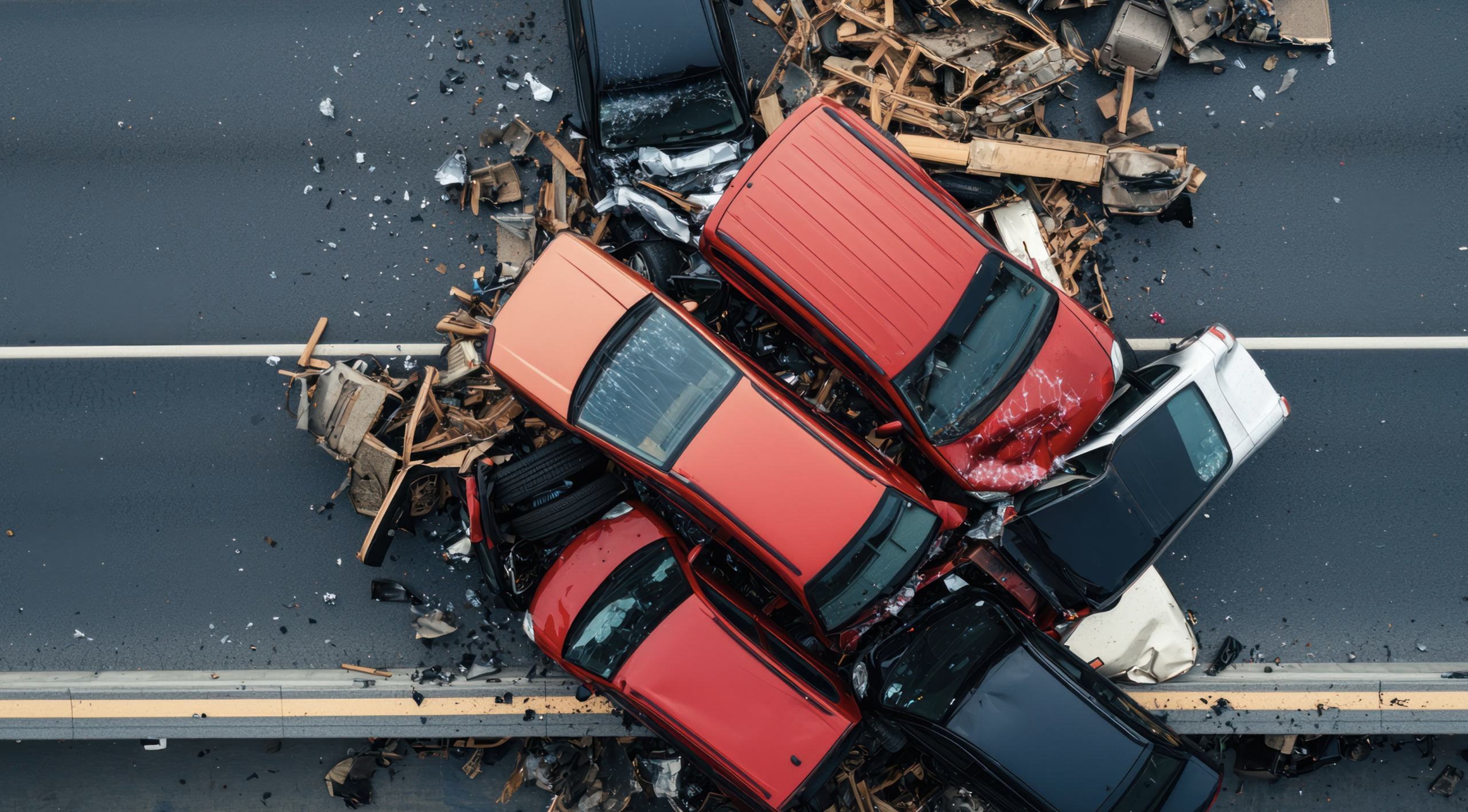
Multi-vehicle accidents—also known as chain-reaction crashes or pile-ups—are some of the most complex and dangerous collisions on Texas roads. These accidents often occur on busy highways, expressways, and major intersections throughout Weslaco, McAllen, Midland, and across Texas, and they frequently involve serious injuries or fatalities.

If you or a loved one is involved in a multi-car accident, knowing what to do next can protect your health, your rights, and your potential claim.

Step-by-Step: What to Do After a Multi-Vehicle Accident

  1. Call 911 and Get Emergency Help

Always call 911 immediately after a multi-vehicle crash.

  • Report injuries, blocked lanes, fires, or hazardous conditions
  • Follow instructions from police, fire, and EMS
  • Do not assume someone else has already called

Emergency response is critical in large crashes involving multiple vehicles.

  1. Stay at the Scene and Cooperate With Police

Texas law requires drivers to remain at the scene.

  • Provide basic, factual information only
  • Do not guess or admit fault
  • Request a copy of the police crash report number

In multi-car accidents, fault is often disputed and determined later.

  1. Get Medical Treatment Right Away

Even if you feel okay, injuries can appear hours or days later.

  • Accept medical care at the scene if offered
  • Visit an emergency room or doctor as soon as possible
  • Follow all medical recommendations

Prompt treatment protects both your health and your injury claim.

  1. Document the Accident Scene

If it is safe:

  • Take photos and videos of all vehicles involved
  • Capture road conditions, traffic signals, skid marks, and debris
  • Collect witness names and contact information

Evidence is especially important when multiple drivers and insurance companies are involved.

  1. Be Cautious With Insurance Companies

After a multi-vehicle accident, you may hear from several insurers.

  • You are not required to give a recorded statement right away
  • Do not sign documents or accept settlements without legal advice
  • Insurance companies often try to shift blame in multi-car crashes

Early mistakes can significantly affect your claim.

  1. Understand That Fault in Texas Can Be Complicated

Texas follows proportionate responsibility, meaning:

  • More than one driver may be at fault
  • Commercial vehicles or 18-wheelers may be involved
  • Liability may depend on timing, speed, following distance, or road design

These cases often require accident reconstruction and legal investigation.

Why You Should Speak With a Texas Personal Injury Attorney

Multi-vehicle accidents can result in:

  • Serious or catastrophic injuries
  • Wrongful death claims
  • High medical bills and lost income
  • Disputes between multiple insurance carriers

An experienced law firm can manage the legal process while you focus on recovery.

At Ezequiel Reyna Law Office, we have decades of experience representing accident victims throughout South Texas and West Texas, including Weslaco, McAllen, Midland, and surrounding communities. Our team handles complex accident cases involving:

  • Multi-vehicle and chain-reaction crashes
  • Commercial and 18-wheeler accidents
  • Catastrophic injuries and wrongful death

Serving Clients Across Texas

With offices in Weslaco and McAllen and service to the Midland area, our firm is available to help accident victims wherever they are injured in Texas.

📞 Call 956-968-9556
We are available 24/7, including evenings, weekends, and holidays.

You are not alone—and you do not have to face a multi-vehicle accident claim by yourself.

This content is for informational purposes only and does not constitute legal advice.

Navigating Stormy Roads: Drive Safe with Your Trusted South Texas Personal Injury Law Office

As a storm approaches our region, your safety remains our top priority. At the Ezequiel Reyna Law Office, we understand the importance of taking precautions on the road, especially during adverse weather conditions. We’re here to not only remind you to stay safe while driving but also to assure you that we’re available 24/7 should you ever need our assistance.

Safety First: Tips for Driving in Inclement Weather

When the weather takes a turn for the worse, it’s vital to adjust your driving habits to ensure both your safety and that of those around you. Here are some essential tips for navigating stormy roads:

1. Reduce Your Speed: Rainy conditions can make roads slick and reduce traction. Drive at a moderate speed to give yourself ample time to react to changing road conditions.

2. Increase Following Distance: A greater following distance between you and the vehicle ahead can provide you with more time to respond to sudden stops or obstacles.

3. Lights On, Hazards Off: Ensure your headlights are on for improved visibility. Contrary to popular belief, using hazard lights while driving is generally not recommended, as it can confuse other drivers and be mistaken for a parked vehicle.

4. Minimize Distractions: Keep your focus solely on the road. Put away your phone and other distractions to keep your attention where it’s most needed.

5. Signal Clearly: Always use your turn signals to indicate your intentions, giving other drivers ample time to adjust to your movements.

We’re Here to Help 24/7

Even the most cautious drivers can find themselves in unexpected situations. If you experience an unfortunate incident on the road, encounter a slip and fall, or face any personal injury, know that the Ezequiel Reyna Law Office is just a phone call away. Our dedicated team is available around the clock to assist you with any legal matters that may arise.

📞 Reach out to us at 956-968-9556 anytime you need assistance. We’re committed to standing by your side, helping you navigate through the legal process and ensuring your rights are protected.

In times of uncertainty, remember that you’re not alone. Together, we can weather any storm that comes our way, emerging stronger on the other side.

Stay safe, South Texas! 💙

#DriveSafe #SouthTexasSafety #HereToHelp

We hope this blog post provides you with valuable insights into staying safe on the roads during inclement weather. Remember, if you ever need legal assistance or advice, the Ezequiel Reyna Law Office is here to support you. Contact us at 956-968-9556 or visit zreynalaw.com to learn more.

Car Accidents with Uber and Lyft: What to Know

As people venture out these days, the options for staying safe while enjoying drinks with family and friends are ever-increasing. Ridesharing services like Uber and Lyft have made it easier for families to require fewer vehicles, use less gas, get around more easily while traveling, and jaunt about town safely while enjoying an alcoholic beverage; however, the introduction of these services has come with its own set of issues. Car accidents with Uber and Lyft have become common and can occur due to a variety of causes. Not all motor vehicle collision attorneys are experienced in handling rideshare injury cases, but the Ezequiel Reyna, Jr. Law Office has a team of successful lawyers ready to hear about your situation and give you the best free legal advice.

Uber and Lyft Dangers

Thousands of Texans rely on ridesharing companies for everyday transportation – for everything from a ride to the airport, to a designated driver for date night. A few things unsuspecting riders may not know are that the screening process and qualification process for becoming an Uber driver or Lyft driver are not very thorough or rigorous. This has led to sexual assaults and car accidents resulting in serious injuries and even death.

There were over 3,045 sexual assaults reported in one year for Uber, which means even more occurred as these injuries are less often reported. There were also 58 crash-related deaths in ridesharing accidents in the U.S. in 2019. Ridesharing itself has increased motor vehicle accident fatalities by 3% overall across the country.

Rideshare Accident Liability

Rideshare accident victims’ legal cases are more complex than a regular car accident for many reasons, one of which is that victims often have to deal with multiple insurance companies. Carriers and adjusters may argue over who was at fault, the severity of your injuries, which insurance policy will cover the incident, and how much coverage to afford. The best way to tackle these complications is to get help from an attorney, especially while you recover from your injuries under a doctor’s care.

While the driver themselves can be held accountable for the damages you suffer, the rideshare company may also be held liable for the driver’s actions. The timing of when a car accident with Uber or Lyft occurs affects how much potential insurance is available. Under Uber’s insurance policy, if a driver is online (listed as an available driver) with the rideshare service but has not yet matched with a passenger (accepted a ride), they are covered under the company’s liability policy – but only part of it. Uber insurance covers the car accidents caused by “waiting” drivers up to:

  • $50,000 per person
  • $100,000 total in bodily injury coverage per accident
  • $25,000 total property damage coverage per accident

When a rideshare driver matches with a passenger and then gets into a car wreck while on the way to pick up that passenger or while driving that passenger, Uber’s insurance policy kicks-in in full and provides at least $1 million worth of coverage per accident.

Rideshare Safety Tips

When considering a ride with an Uber or Lyft driver, be sure to observe the following safety tips to ensure you have the best possible experience:

  • Always check your driver’s rating before accepting a ride
  • Verify your driver’s identity before entering their vehicle by ensuring their license plate, photo, and name match what is shown in your app
  • Make sure the driver verbally confirms your name as the passenger they are supposed to pick up
  • Wear your seat belt
  • Report unsafe driving behaviors on the ridesharing app and/or the driver’s license plate and location to the police if you are concerned
  • If you are riding alone, ride in the backseat
  • Always remain aware of your surroundings and travel route – you can even track your route to your destination by programming the address into Waze or Google Maps to follow along
  • Click “Share Status” in the app while you are on your rideshare and this will share your location and the driver’s information with the person of your choice – tell your driver you are sharing this information as it can serve as a deterrent to potential criminal activity

Lawyers for Weslaco Car Accidents with Uber and Lyft

If you’ve been injured after an accident involving an Uber or Lyft, we understand how complex things are for you – both with regard to your legal claims and with regard to your medical recovery. Our experienced trial lawyers will work on your behalf to help you recover the damages you deserve. Schedule a free case consultation and evaluation with an attorney today by calling 956-968-9556. You pay nothing upfront. We recover financial damages for you on a contingency fee basis only, so if we are not able to obtain a recovery, you owe us nothing.

What You Should Do Immediately After a Car Accident

In Texas, we drive a lot – whether it’s to take our kids to school or to get to and from work – we spend a lot of time in our vehicles. Most of the time we take our safety while driving for granted, only focusing on getting to our destination on time and not about getting into a car wreck. Unfortunately, Texas car accidents are common. In fact, 3,896 people were killed in auto accidents in our great state in 2020, a 7.54% increase over the previous year and 12,107 crashes resulting in physical injury were reported with 14,656 people sustaining a serious injury. Since roadway collisions are so common and injuries so often result, it is important for everyone to know what you should do immediately after a car accident.

Steps To Take After Being injured In an Auto Accident

If you were a driver or passenger injured in an auto accident, the first thing you should do is move yourself and your vehicle to a safe location if you are physically able. Put on your emergency or hazard signal lights to alert oncoming cars, trucks, and other vehicles to the fact that a crash has occurred and people are present on the road. Make sure that you do not leave the scene of the accident unless it is with emergency medical personnel who are transporting you for treatment.

After the people involved in the car accident are moved away from danger, the next steps to take include:

  • Calling Law Enforcement: It is crucial to report the car accident to law enforcement right away so they can investigate and create an official accident report. This report is one of the most important pieces of evidence in your claim for damages because it will help establish who is at fault or who caused the accident. When the police arrive, be sure to tell them exactly what happened but do not guess or speculate. If they ask if you are hurt, don’t say no – say you are not sure because injuries very commonly are felt only hours after the impact of a collision.
  • Collecting Necessary Information: You will need to gather information from the other parties involved in your car accident (both drivers and passengers), including names, contact information, vehicle descriptions, driver’s license numbers, and insurance company names and policy numbers. You will also need to get information from any witnesses, including their names and contact information.
  • Documenting the Accident Scene: Use your mobile phone to take pictures of the vehicles involved in the accident, including the areas of damage and the positioning of each vehicle. Document the area around the crash, showing what you saw when driving up to the location and what is around the scene. Look around for security or surveillance cameras because the footage can be helpful and show a video of how the entire wreck happened.
  • Seeking Out Medical Treatment: Even if you don’t feel hurt, you may have suffered an injury and not be feeling the effects. It is important to be medically evaluated following a car accident even if you think your injuries are minor so that you can ensure you are safe and healthy, and so that there is documentation that connects your damages to the crash. You can and should also take pictures or videos of your injuries and the injuries of anyone else in your vehicle to document the damages caused by the crash.
  • Consulting a Personal Injury Lawyer: While it is likely not the first thing you think about after being hit by another driver, it is important to at least talk to a personal injury lawyer after being injured in an auto accident. The facts of each individual’s car accident are unique so what one person you know might have experienced in their wreck will likely not be the same as what happens to you. Talking to someone who has spent their entire career helping car accident victims is a good idea, and with our law firm, such consultations are free and available in both Spanish and English.

Weslaco Car Accident Lawyers

If you have been injured in a South Texas car accident, you may not know what to do. We hope the list of steps we provided above can be helpful, but we know it can’t help you resolve everything on your own. By hiring experienced legal representation, you won’t have to worry as much about your next steps. Contact the Weslaco, Texas car accident lawyers at Ezequiel Reyna, Jr. Law Office today to discuss your case in a free consultation. There is limited time to act following a motor vehicle crash in Texas and evidence will disappear as the scene is cleaned up and vehicles are repaired, so don’t wait too long to reach out.

How Tailgating Causes Car Accidents

Everyone gets frustrated while driving on the roads. When other drivers aren’t paying attention or are going too slow in the fast lane, you inevitably feel the urge to tailgate them out of frustration. Or perhaps you have been distracted by something in the car or been on the phone and ended up driving a little too closely to the vehicle in front of you. Tailgating is one of the most dangerous driving maneuvers on the roads today and can quickly lead to serious car accidents. When a driver tailgates the vehicle in front of them, they place themselves and the other drivers and passengers nearby at risk of rear-end and side-impact collisions. According to the National Highway Traffic Safety Administration (NHTSA), rear-end collisions make up approximately 23 percent of all car crashes resulting in nearly 2,000 deaths and over 900,000 injuries.

What is Tailgating?

Tailgating occurs when a vehicle follows the car in front of it too closely relative to the speed of both cars. When we are taught how to drive, it is always recommended that drivers keep a safe distance away from the vehicle in front of their cars to make sure they have enough stopping time and distance if a vehicle ahead suddenly stops. When a driver chooses to tailgate, they remove that safety barrier and significantly reduce their ability to safely brake before rear-ending the vehicle in front of them or swerving and hitting a car to their left or right side. Unfortunately, there are many reasons why drivers choose to tailgate, including:

  • Anger or frustration with the vehicle in front of them
  • Aggressive driving style
  • Sense of self-importance or placing their own needs above the needs of others
  • False sense of security in their driving skills
  • Poor road conditions
  • Distracted or careless driving
  • Heavy traffic conditions

Heavy traffic often places multiple drivers into tailgating situations and can become a car accident nightmare if a chain reaction of rear-ending takes place, leading to a complex multi-vehicle accident.

How Does Tailgating Cause Car Accidents?

When a driver tailgates and subsequently reduces their potential stopping distance to avoid an auto accident, the likelihood of causing a collision increases significantly. Stopping distance is directly proportional to the size, weight, and speed of a vehicle and is different depending on what type of vehicle is being used. The stopping distance for a semi-truck will be much greater than the stopping distance of a passenger vehicle. It can take up to twice the distance for a heavy truck to stop suddenly as a passenger car going the same speed. You can easily see why a driver of either a passenger vehicle or semi-truck could cause a motor vehicle accident when tailgating as they have reduced the distance they have to stop when there are changes on the road ahead.

When a driver is tailgating, they also tend to lose their ability to see the road ahead. If they are following a vehicle very closely and can only see the back of the vehicle instead of a few hundred feet ahead, they may not see an accident ahead, a change in the road, a detour, or other issues that could require sudden stops. Hazards on the road ahead must be prepared for and a driver needs a significant amount of time and distance on the road to react. Tailgating takes these away from the driver and places them into a more precarious position when driving. The inability to prepare for hazards on the road ahead is a recipe for disaster. The more space a driver maintains between their car and the vehicle ahead of them, the more time and distance that driver has to react to any upcoming hazards on the road.

Can a Driver Be Held Accountable for Tailgating?

When a driver is tailgating and is unable to stop in time when the car ahead of them brakes, that is considered a rear-end collision. If the driver who is tailgating suddenly swerves into the next lane to avoid hitting the car ahead of them, and instead hits a car to their side, that can be considered a side-impact collision. These collisions can cause serious injuries and even death depending on the circumstances. Tailgating in these cases may constitute negligence as all drivers have a duty of care to other vehicles around them. Drivers are expected to operate their vehicles safely and to reasonably avoid causing an auto accident. Tailgating can be considered a violation of that duty. In many cases, the tailgater will be considered at fault for causing a car accident and will be held accountable both legally and financially for the damages they cause to other parties who are involved in the crash.

Weslaco, Texas Tailgating Car Accident Attorneys

If you have been in a car accident caused by a tailgater, you may be scared, frustrated, and not know what to do. This driver may have been following you aggressively for miles before hitting you, making it an even scarier situation. By selecting knowledgeable legal representation, you won’t have to worry as much about your next steps. Contact the South Texas tailgating car accident lawyers at Ezequiel Reyna, Jr. Law Office today to discuss your case in a free consultation. There is limited time to act following a motor vehicle accident in Texas, so don’t delay.